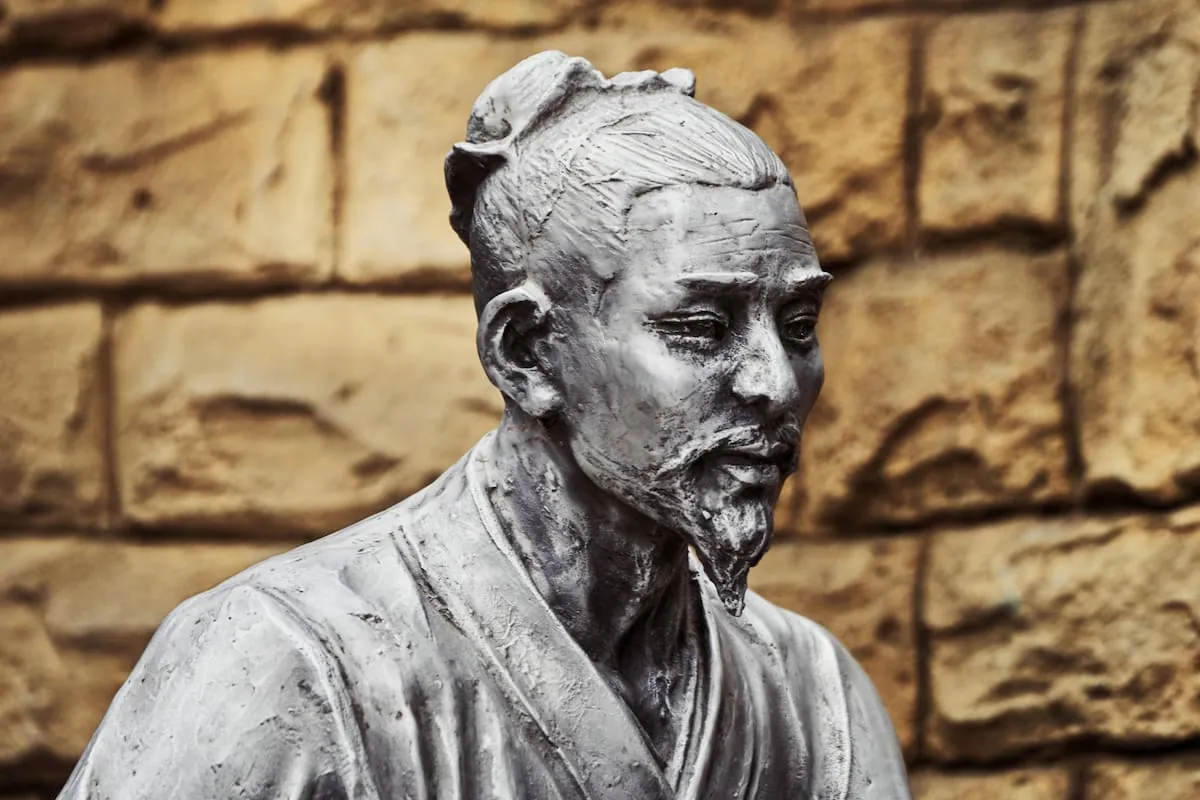
The Analects attributes a saying to Confucius: demand much of yourself and expect little from others to keep resentment at bay.
“The person who demands much of himself and little of others will keep resentment at bay” is commonly attributed to Confucius. La Nación presents the saying as part of the Analects, a collection of short conversations compiled by the philosopher’s disciples.
The article connects the aphorism with a central idea in Confucian ethics: social harmony begins with a person’s work on their own character. Confucius wrote about virtue, government and individual conduct during a period of political fragmentation and territorial conflict.
The idea of the junzi, or “noble person,” is important to the tradition. It refers not to inherited rank but to an ethical ideal: someone who cultivates character and acts with integrity. Self-cultivation is an inward practice rather than a demand for recognition from others.
The aphorism’s reasoning is that excessive expectations of other people can feed disappointment and resentment. Directing attention toward one’s own discipline restores responsibility for what is within one’s control. In the article’s interpretation, this is not a call to accept injustice but a reminder of the limits of personal influence.