Some 33.4 million people skipped Brazil’s first-round vote. Voters have 60 days to justify an absence or face a fine.
In Brazil’s first-round election, 33.4 million people did not vote, about 21% of the 158.7 million eligible voters. The abstention rate was the highest since 1998, when it reached 21.5%, and exceeded the 32.7 million people who skipped the 2022 national election. Absences also rose in earlier cycles, from 27.7 million in 2014 to 29.9 million in 2018.
Voters who miss an election must explain their absence to electoral authorities within 60 days. If a justification is rejected or filed late, the reported fine is 3.51 reais. A voter who misses three consecutive elections without justification may have their registration canceled. CNN Brasil reports that cancellation can restrict access to a passport, enrollment in official educational institutions and taking up a public-sector job won through an examination.
The first-round count also recorded 2.2 million blank ballots and 3.6 million null ballots. In 2022, there were 1.9 million blank and 3.5 million null ballots. Blank votes have declined over the longer term, from 4.4 million in 2014 to 3.4 million in 2018. Null votes rose to 7.2 million in 2018 from 6.7 million in 2014, then fell in 2022.
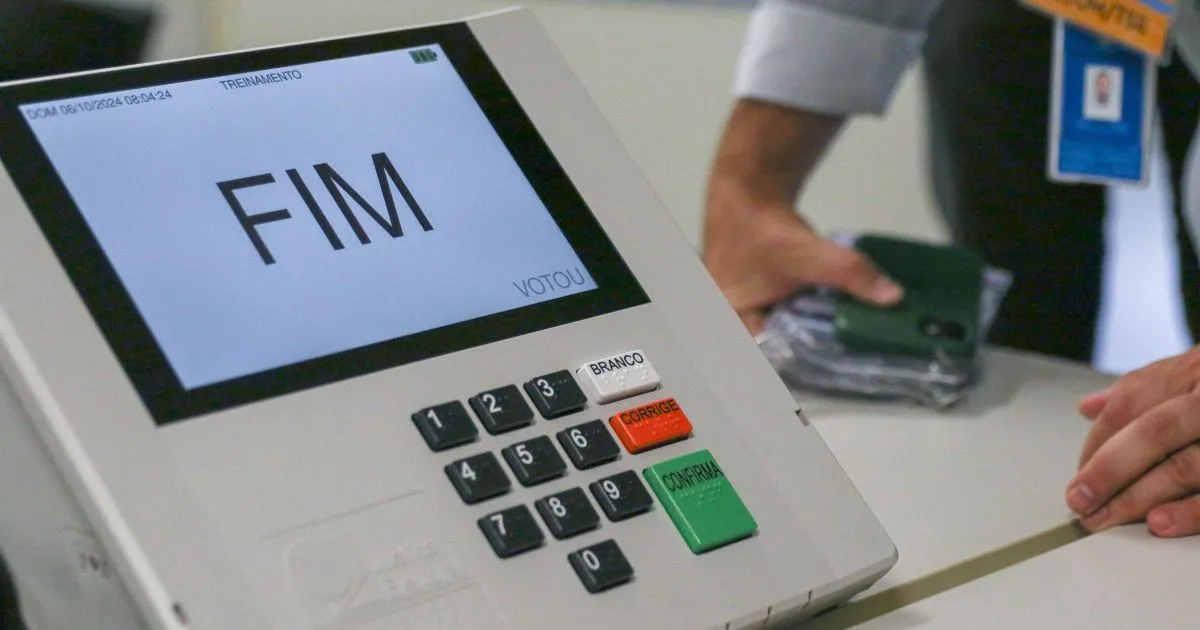
A blank ballot is cast by pressing the “branco” key on the electronic voting machine. A null ballot can be entered by choosing numbers that do not correspond to a candidate, such as “00.” Neither counts for a candidate, though both reduce the total number of valid votes. Brazil’s Superior Electoral Court says they record voter dissatisfaction with the candidates on offer.