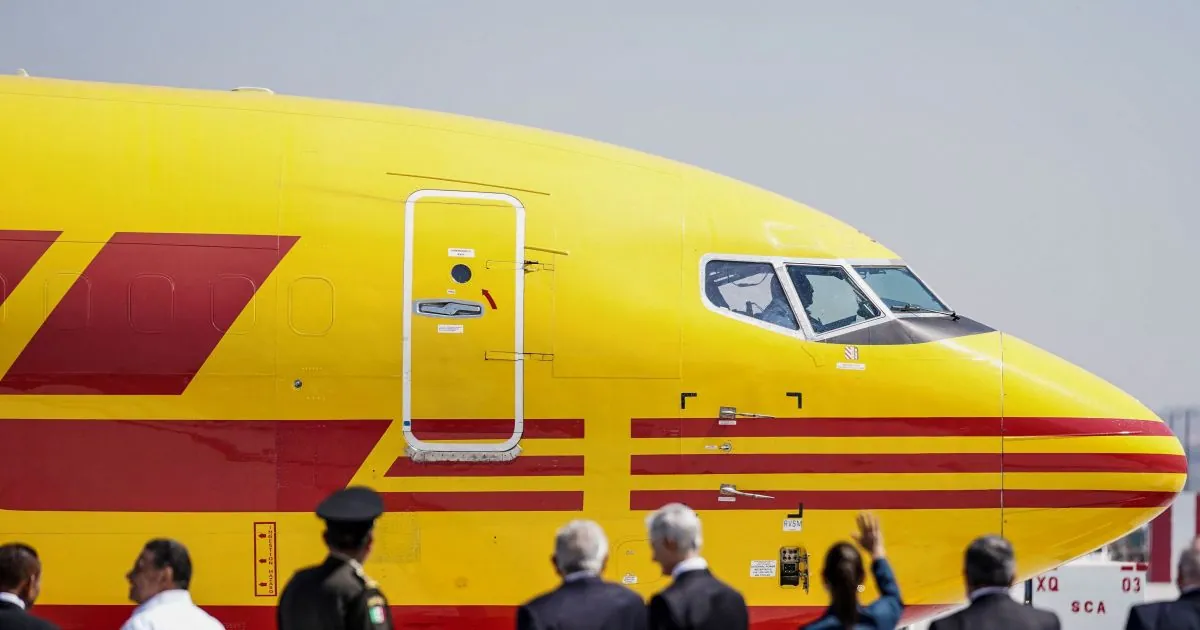
Executives at DHL Global Forwarding in Latin America link more frequent surges in international freight demand to protectionism, geopolitical tensions and disrupted shipping routes. They expect high rates and capacity constraints to persist through the end of 2026.
Eric Brenner, head of DHL’s Brazil operations, and Erik Meade, the company’s regional chief executive, told CNN Brasil that freight patterns have become less seasonal. Instead of one main peak after the Chinese New Year or before Black Friday, the company has seen repeated demand spikes since May. Rerouted ships and volatile rates make planning harder, while bottlenecks in one region can eventually leave equipment and cargo space in short supply elsewhere.
The executives said some companies are rebuilding inventories and booking transport earlier to limit exposure to disruption and fuel-cost increases. DHL is advising customers to improve forecasts and secure contracts and shipping space in advance. For Latin America’s second-half peak season, Meade expects high rates, capacity shortages and delivery delays.
Meade also expects global supply chains to be redesigned further in 2027. He said trade within the Americas and suppliers in Brazil, Argentina and Mexico could gain importance. Companies are not abandoning China or other Asian suppliers, he said, but are looking to diversify under an expanding “China Plus X” approach.