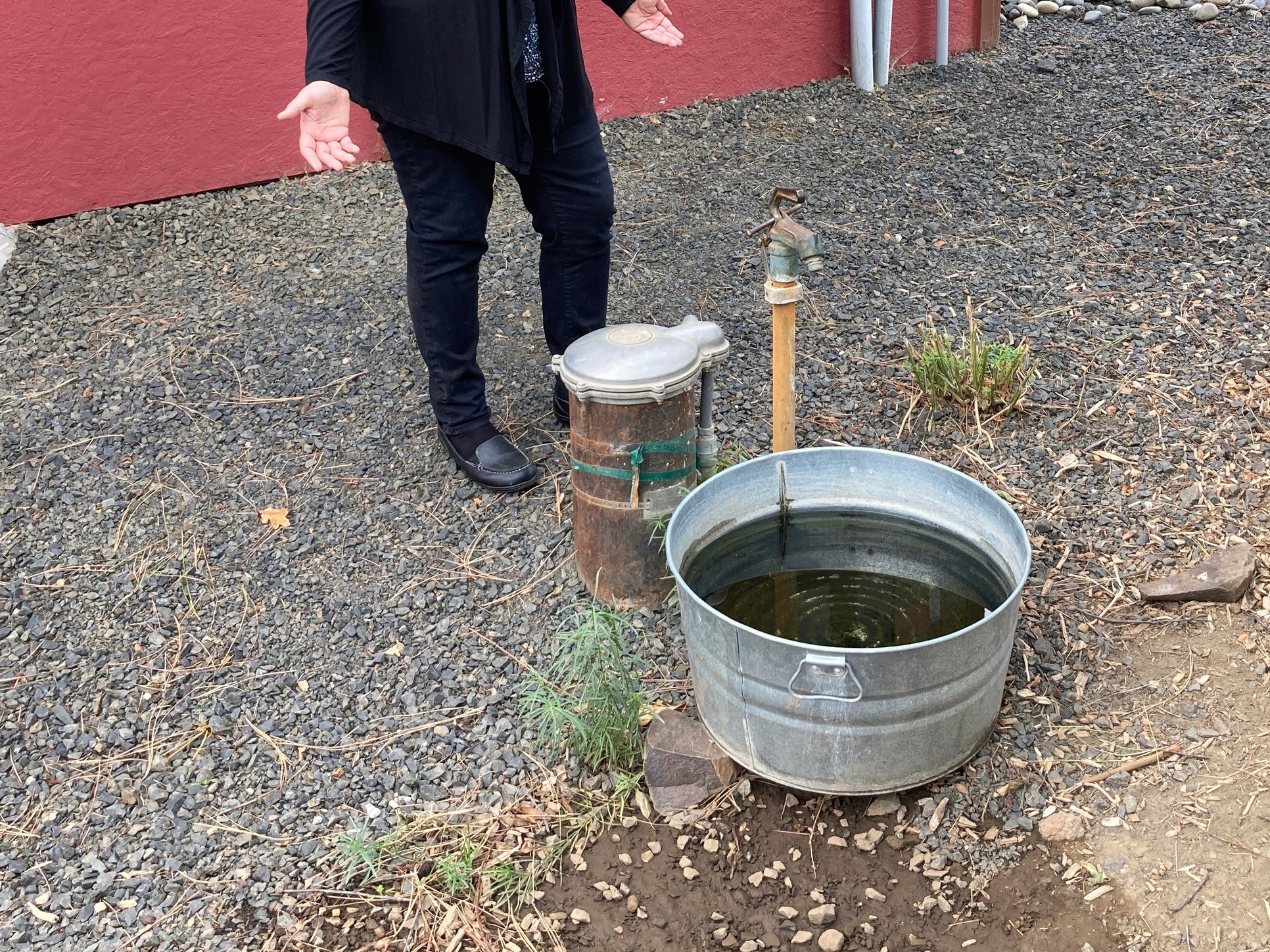
About one‑fifth of Delaware households rely on private wells because they are too far from municipal or investor‑owned water systems. Unlike public utilities, these wells are not subject to state or federal water‑quality regulations, leaving homeowners to shoulder the burden of testing and treatment.
The new initiative, announced this week, will provide free laboratory analysis for a suite of 40 PFAS compounds—often called “forever chemicals”—as well as other common contaminants. Residents can also apply for financial assistance to install certified filtration systems if their water exceeds safety thresholds.
Funding for the program comes from a combination of federal grant money and a multi‑million‑dollar settlement with PFAS manufacturers DuPont, Chemours and Corteva. The settlement follows years of litigation over the chemicals’ health impacts, which include links to certain cancers, thyroid disease and developmental delays in children.
"We’re trying to bring to light not only the issue of PFAS within the state, but also the standard drinking water parameters," said Todd Keyser, a hydrologist with DNREC. "As a well owner within the state, it is primarily your responsibility to ensure that you’re consuming good water."
Public water suppliers in Delaware are already required by state law to reduce PFAS concentrations to near‑zero levels by 2029. The private‑well program aims to close the regulatory gap by offering testing that historically cost around $500 per household, a price many residents could not afford.
To participate, well owners must submit a request and consent form to DNREC. The agency estimates a two‑week turnaround for test results. If contamination is confirmed, eligible households—particularly those with low or moderate incomes—may receive grants to cover the cost of installing appropriate filtration equipment.
Keyser noted that while the exact number of contaminated private wells is unknown, the testing effort will help DNREC map potential sources of PFAS and determine whether isolated incidents or broader regional issues require a coordinated response.