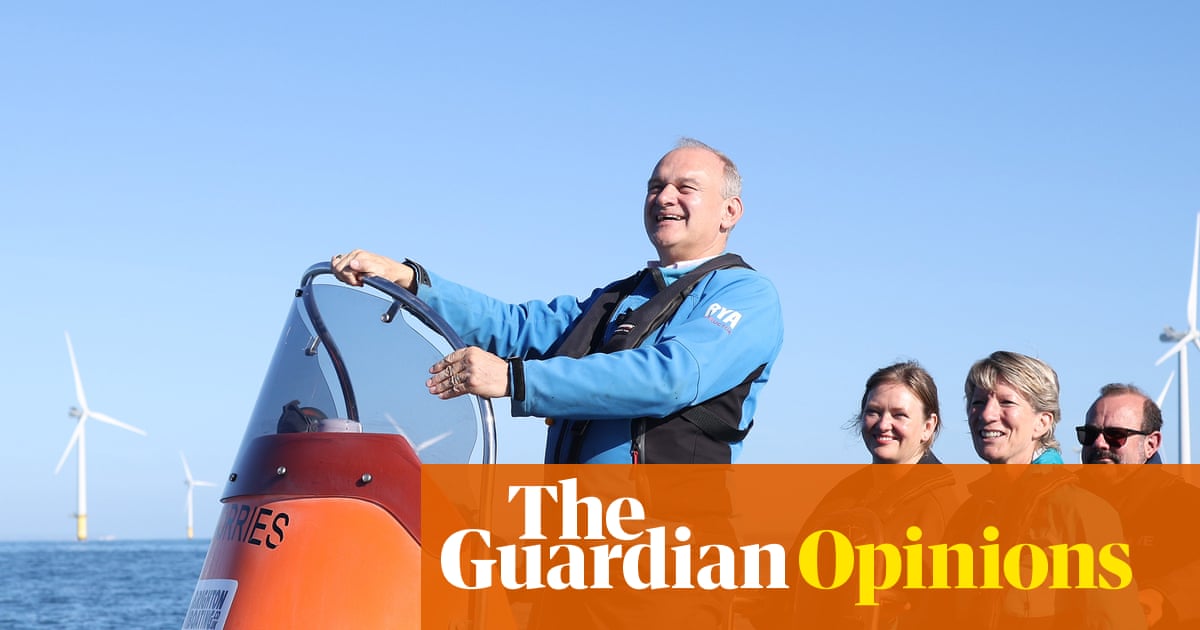
The party’s conference, held on Tuesday, saw Davey argue that a rise in the personal allowance and the 40 pence tax threshold would ease pressure on middle‑class voters who feel squeezed by inflation, while positioning the Lib Dems as the decisive anti‑far‑right force in any future hung parliament.
Davey’s proposal would cost an estimated £17 billion to the exchequer, a sum he says could be recouped if the UK re‑enters the EU single market and the economy “thrives” as a result. Critics have warned that the plan would not meet Treasury tests of fiscal neutrality, especially given the upfront cost of any accession process.
The speech came amid growing anxiety within the party about Davey’s low public profile after six years at the helm. Liberal Democrat supporters noted that the party now holds a record 72 MPs – its highest ever – and argue that strong local incumbency could translate into further gains at the next general election.
Strategically, Davey warned that Reform UK’s anti‑immigration agenda and its leader Nigel Farage pose a “demagogic nationalist” threat. He urged voters to see the Lib Dems as a “firewall” that can block far‑right influence, even if that means supporting a Labour or Green government in a coalition scenario.
The party’s tactical calculus also hinges on the “blue wall” of affluent southern towns that have drifted away from the Conservatives due to demographic change and recent Tory scandals. Davey said the tax‑cut message is aimed at winning over former Conservative voters who are socially liberal but economically conservative.
Analysts note that the real test of the Lib Dems’ strategy will come in the 2025 local elections and any by‑elections before the next general election, where the impact of the tax‑cut pledge and anti‑far‑right branding can be measured against voter turnout and seat gains.