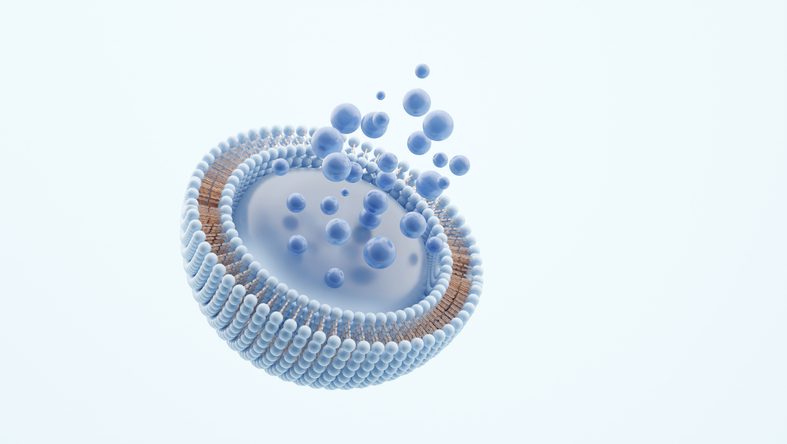
The breakthrough, described in a paper published in Nature Biomedical Engineering, hinges on liposomes built from highly unsaturated phospholipids. The extra double bonds keep the lipid tails fluid, causing the vesicles to form concentric, onion‑like compartments that create multiple barriers for hydrophilic drugs.
Yuan Wang, PhD, a research engineer in Kohane’s laboratory, says the findings overturn the prevailing view that more fluid lipids always leak drugs faster. “The more fluid membranes may be easier to cross, but the greater number of barriers slows down the drug’s release,” Wang explained.
To test the concept, the researchers loaded the multilamellar‑multivesicular liposomes with tetrodotoxin, a potent sodium‑channel blocker found in pufferfish. When injected near a rat’s leg nerve, the formulation produced a painless block that persisted for 14‑21 days, compared with the 4‑8 hour duration of a commercial tetrodotoxin preparation. No local or systemic toxicity was observed, indicating that the drug’s slow release allowed safe clearance while maintaining analgesic levels.
Kohane, senior associate in pediatric critical care and director of the Laboratory for Biomaterials and Drug Delivery, highlighted the clinical promise: “This extended‑release combination could be used for longer‑term peri‑operative pain instead of opioids, and we are starting to consider using these potentially for chronic pain as well.” He added that the platform could be adapted for a wide range of hydrophilic therapeutics beyond anesthetics.
If the prolonged effect translates to humans—where nerve blocks already last longer than in rodents—the technology could dramatically extend the usable window of local anesthetics and reduce the need for repeated injections. The team plans further pre‑clinical studies to assess safety and scalability before moving toward human trials.