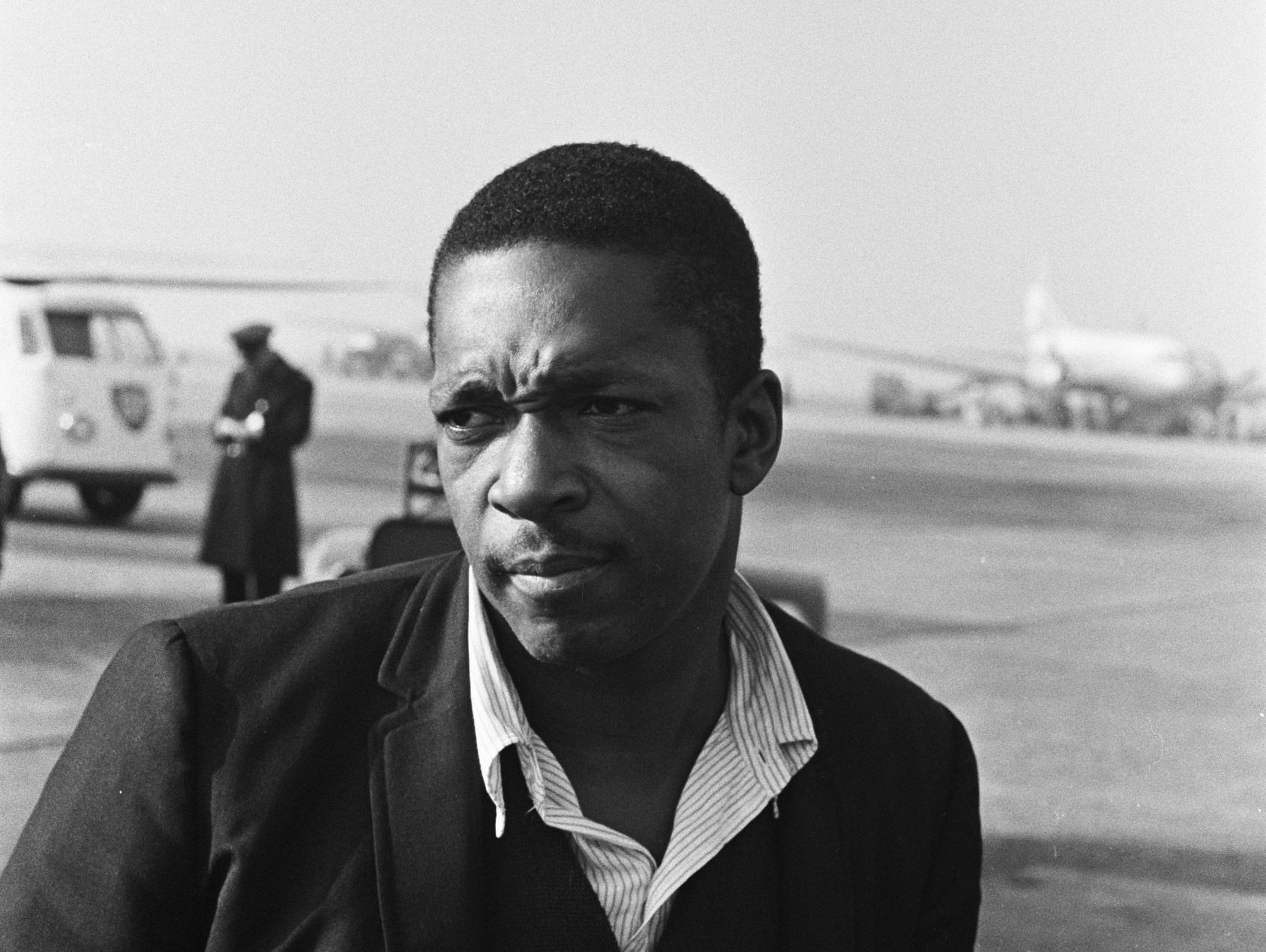
The city’s celebration, dubbed “Coltrane 100,” runs through the week and features performances by the Immanuel Wilkins Quartet, the Sun Ra Arkestra, Odeon Pope, Terri Lynne Carrington, and Tyshawn Sorey with Marilyn Crispell, among others. Events are staged at venues including the Philadelphia Museum of Art, the Mann Center, LOVE Park and the Ars Nova Workshop, which will continue programming Coltrane‑related activities for the next twelve months.
Professor Anyabwile Love, a Black studies scholar at Philadelphia Community College, will lead a discussion as part of the Ars Nova Workshop series. Love recalled first hearing Coltrane at age 17 and described the saxophonist’s impact as “ruined me, in a good way.”
The second annual North Philadelphia History Festival, produced by Scribe Video, is screening film footage of musicians who played alongside Coltrane in the 1950s‑60s. Filmmaker Steven Berry will present a video installation on the “Golden Strip,” a historic corridor of North Philly jazz clubs that once lined Columbia Avenue (now Cecil B. Moore Avenue). Festival founder Louis Massiah said the program aims to place Coltrane in the broader cultural and spiritual context of the city.
Parallel to the performances, the dilapidated rowhouse on North 33rd Street where Coltrane lived in the 1950s is being stabilized by an organization founded by his son, Ravi Coltrane. Kathleen Hennessy, Ravi’s wife, said the front façade has been rebuilt and the back wall is under reconstruction, work that will eventually allow the house to serve as a museum and community cultural asset.
The restoration effort also includes the Long Island home where Coltrane spent his final months and his childhood home in High Point, North Carolina, both of which are being stabilized by the same family team. Hennessy noted that securing the structures is the first step before any public programming can begin.
Coltrane’s Philadelphia years were formative; after returning from the Navy in 1946 he immersed himself in the North Philadelphia jazz scene, collaborating with future legends such as McCoy Tyner and Jimmy Garrison. The city’s commemorations aim to highlight that legacy and the artist’s spiritual journey, which he described in 1966 as requiring humility, quiet, and openness.
Organizers hope the week’s events and the house restoration will not only honor a centennial but also inspire new audiences to explore Coltrane’s music and its themes of transcendence, healing and social connection.