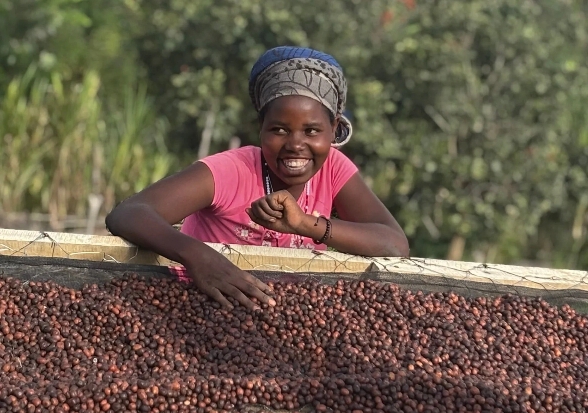
Rwanda’s coffee sector has undergone a two‑decade transformation, moving from bulk commodity exports to a specialty‑focused industry. Investments in washing stations, processing facilities and quality‑control systems have enabled more than half of the country’s coffee exports to be classified as specialty, according to agricultural authorities.
Beyond traditional markets such as the United States, Switzerland, the United Kingdom, Sweden and Italy, Rwanda is now emphasizing roasted coffee and domestic value‑addition to retain greater profit margins within the country.
In Pakistan, tea has long dominated, but major cities like Lahore and Islamabad are witnessing a surge in café culture. Young consumers are turning cafés into social, study and work hubs, creating a growing demand for premium coffee blends, including African origins.
The Islamabad festival brought together Rwandan producers, Pakistani roasters and café chains, allowing participants to sample beans, discuss joint‑branding ideas and explore direct import arrangements. Organisers highlighted the potential for collaborative ventures such as co‑branded product lines, roasting facilities and barista‑training programs.
Analysts note that Rwanda’s sophisticated specialty‑coffee ecosystem and Pakistan’s capabilities in food processing, packaging and hospitality could complement each other across the value chain, from farm to cup. Joint investments could extend to logistics, digital marketing and tourism‑linked coffee experiences.
Rwanda’s broader investment climate is already attracting private capital, with the Rwanda Development Board reporting US$2.62 billion in registered investments across 799 projects in 2025. The coffee festival is seen as a micro‑example of how sector‑specific partnerships may feed into this larger investment momentum.
While concrete deals have yet to be signed, the festival’s participants expressed optimism that the event will catalyze import contracts and possibly joint ventures, positioning Rwandan coffee as a niche yet growing segment of Pakistan’s premium beverage market.