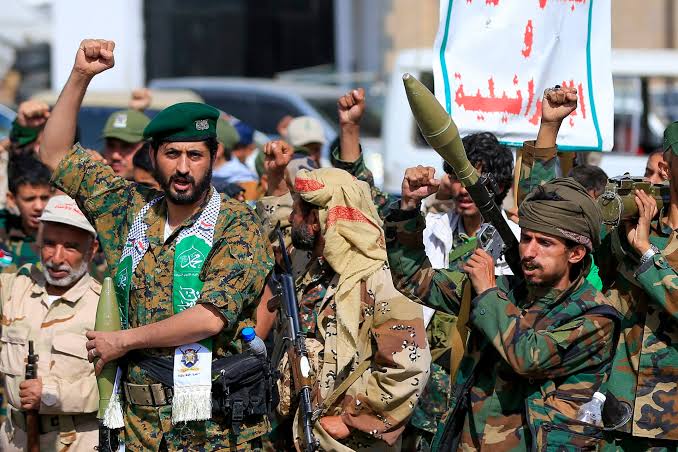
According to U.S. officials briefed on the deliberations, the Trump administration had been weighing a renewed campaign as Houthi forces expanded their foothold along the Red Sea corridor and threatened the Bab al‑Mandeb strait, a key maritime chokepoint.
Saudi Crown Prince Mohammed bin Salman urged Washington to provide stronger military assistance, arguing that Riyadh faced mounting pressure from the Houthis and needed U.S. firepower to protect its territory and energy infrastructure.
U.S. military planners reportedly prepared target lists and operational options for possible strikes, but senior officials ultimately concluded that renewed attacks could broaden the conflict and provoke further Houthi attacks on shipping routes.
The decision does not signal a withdrawal of U.S. support for Saudi Arabia; Washington continues to supply Riyadh with weapons, intelligence and other defense cooperation.
Analysts note that the move underscores a distinction between providing Saudi Arabia with material aid and committing American troops to a new ground or air campaign in Yemen, a war the United States has sought to avoid re‑entering.
The restraint comes amid broader regional tensions involving Iran and concerns that any escalation could spill over into wider maritime security challenges.
While Saudi officials have expressed frustration, there is no indication that the overall U.S.–Saudi security partnership is in jeopardy; the episode highlights differing calculations over when direct intervention is deemed necessary.