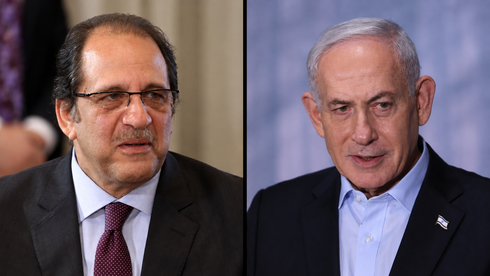
After months of fact-checking, The Atlantic journalist Vivian Salama reported, as recounted by Ynet, that former Egyptian intelligence chief Abbas Kamel secretly visited Israel 11 days before the October 7 attack. According to the account, Kamel arrived in a rented Cessna that was directed to an isolated part of the airport. The aircraft remained on the ground for 63 minutes before returning to Egypt. The report does not establish who was aboard or who on the Israeli side may have met Kamel.
The account says Kamel was sent on the direct instruction of Egyptian President Abdel Fattah el-Sisi. He reportedly warned that a Hamas attack could affect not only Israel but also Sinai and Egyptian territory. He is also said to have proposed increasing economic assistance to Gaza to reduce the risk of conflict, after 180,000 work permits for Gazans in Israel had been cancelled the month before the attack.
Salama said an Egyptian source warned on September 26 of “something formidable” being planned in Gaza. Three days later, the same source—whom she said she had worked with for years—told her Israel had been warned that a major event was imminent. She said the same wording was sent to the Associated Press and a British newspaper. The source remained anonymous; Salama described only an indirect gesture by an Egyptian intelligence officer that she took as a possible clue to the person’s identity.
Ynet’s account also cites an Israeli security source who reportedly confirmed to The Atlantic and Salama that Egypt had warned Gaza could “explode” against Israel if policy did not change. The report says Netanyahu agreed to expand economic aid after the first visit. Netanyahu denied meeting Kamel during his publicly announced visits to Israel. The article refers to photographs showing the two men in conversation at two locations, but does not identify who was on the aircraft.
A second Egyptian warning was reportedly delivered on October 5. It did not give a precise date for an attack but was described as particularly serious. The report notes that Egypt’s authorities are hostile to Hamas and Palestinian Islamic Jihad, as is Israel, underscoring that the warning was not presented as support for those groups.
The account sets these reports alongside other warnings before the attack. It refers to concerns raised by Israeli observers near the border and a recording by soldier Roni Eshel about unusual Hamas training and movement closer to the frontier. Ynet also recounts an allegation that a Southern Command officer threatened to remove an observer who reported Hamas near the border. These are claims and accounts cited in the report, not independently established findings in this article.