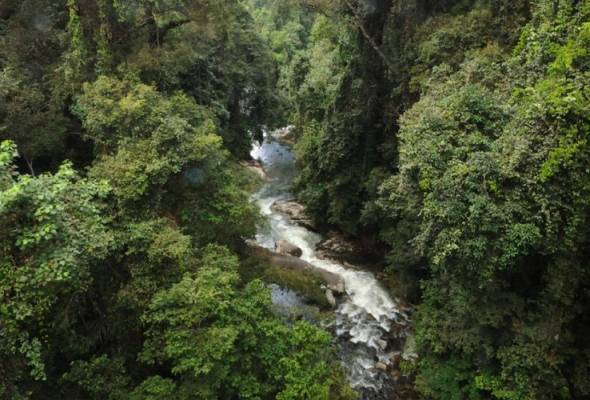
Malaysia should stop treating nature as an external constraint on economic growth and make ecosystem protection part of development and public-health planning, speakers said at the National Planetary Health Forum organized by the Academy of Sciences Malaysia (ASM) with Climate Governance Malaysia.
ASM vice-president Looi said the country has lost about 30 percent of its forest area over the past 50 years. The leatherback turtle is functionally extinct, the rhinoceros was declared extinct in Malaysia in 2019, and the country’s tiger population is estimated at about 150. Environmental decline is also linked to worsening floods, air and water pollution, and damage to peatlands and mangroves.
Prof. Mahendhiran Sanggaran Nair, Sunway University’s deputy vice-chancellor for research and sustainability, argued that nature should be recognized as a foundation of productivity and national development rather than treated as an externality. Damage to ecosystems, he said, ultimately harms human health, productivity and economic performance.
Climate Governance Malaysia chair Gary Theseira said local climate data and flood simulations already provide a basis for moving from risk assessment to concrete action. Companies are also facing stronger demands from international markets, regulators and financial institutions to disclose their environmental and social impacts.