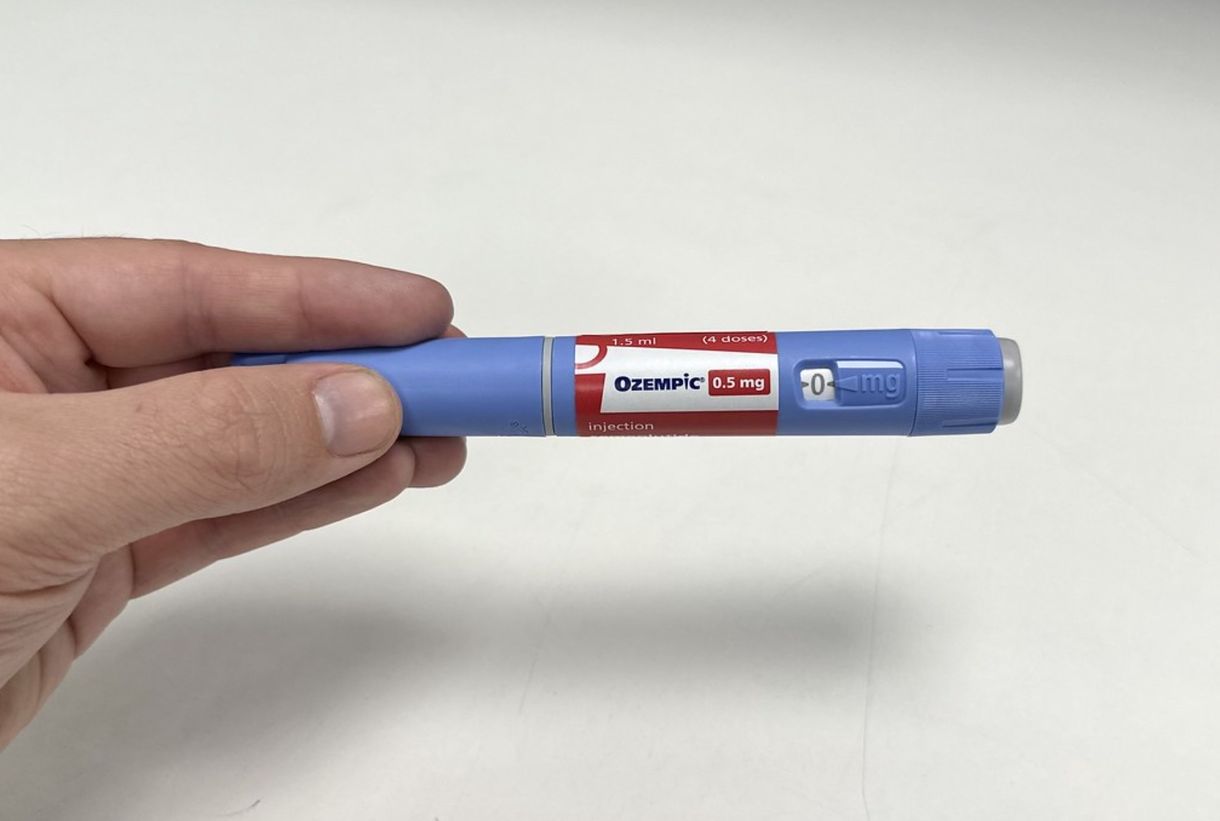
GLP-1 medicines, including Ozempic, are used to treat diabetes and can help patients lose weight. Their benefits may weaken after treatment ends: weight regain is the most visible change, while shifts in metabolism and cardiovascular risk factors can be less apparent.
Researchers at the Washington University School of Medicine followed more than 333,000 US veterans with type 2 diabetes for three years. They examined how interruptions in GLP-1 therapy were associated with serious cardiovascular events, including heart attack, stroke and death. The analysis found that even a six-month treatment gap was linked to a significantly higher risk than continuous use. The longer patients remained off treatment, the greater the associated increase.
After two years without GLP-1 therapy, the risk of heart attack, stroke and death was as much as 22% higher than among patients who continued treatment, according to the study. The clearest cardiovascular benefits appeared in those who stayed on the medicines throughout the full three-year period: their risk was 18% lower. Patients who paused treatment and later restarted it had an average risk reduction of 12%. The findings suggest that restarting therapy may not fully restore the benefits associated with uninterrupted treatment.
The possible changes extend beyond weight regain. Metabolic processes previously improved by the medicines may shift in an unfavorable direction after treatment stops. Changes in inflammation, blood pressure and cholesterol could contribute to a decline in cardiovascular protection. Ziyad Al-Aly, the study’s lead author, said weight returning is easy to see, whereas a renewed adverse metabolic shift may be less noticeable but still consequential. The research is detailed in BMJ Journals.
The findings require caution. They do not mean that stopping a GLP-1 medicine will inevitably cause a heart attack or stroke: the study examined associations and cannot establish on its own that treatment interruption directly caused later events. Its participants were a specific group of US veterans with type 2 diabetes, so the results may not apply to every person using a GLP-1 medicine.