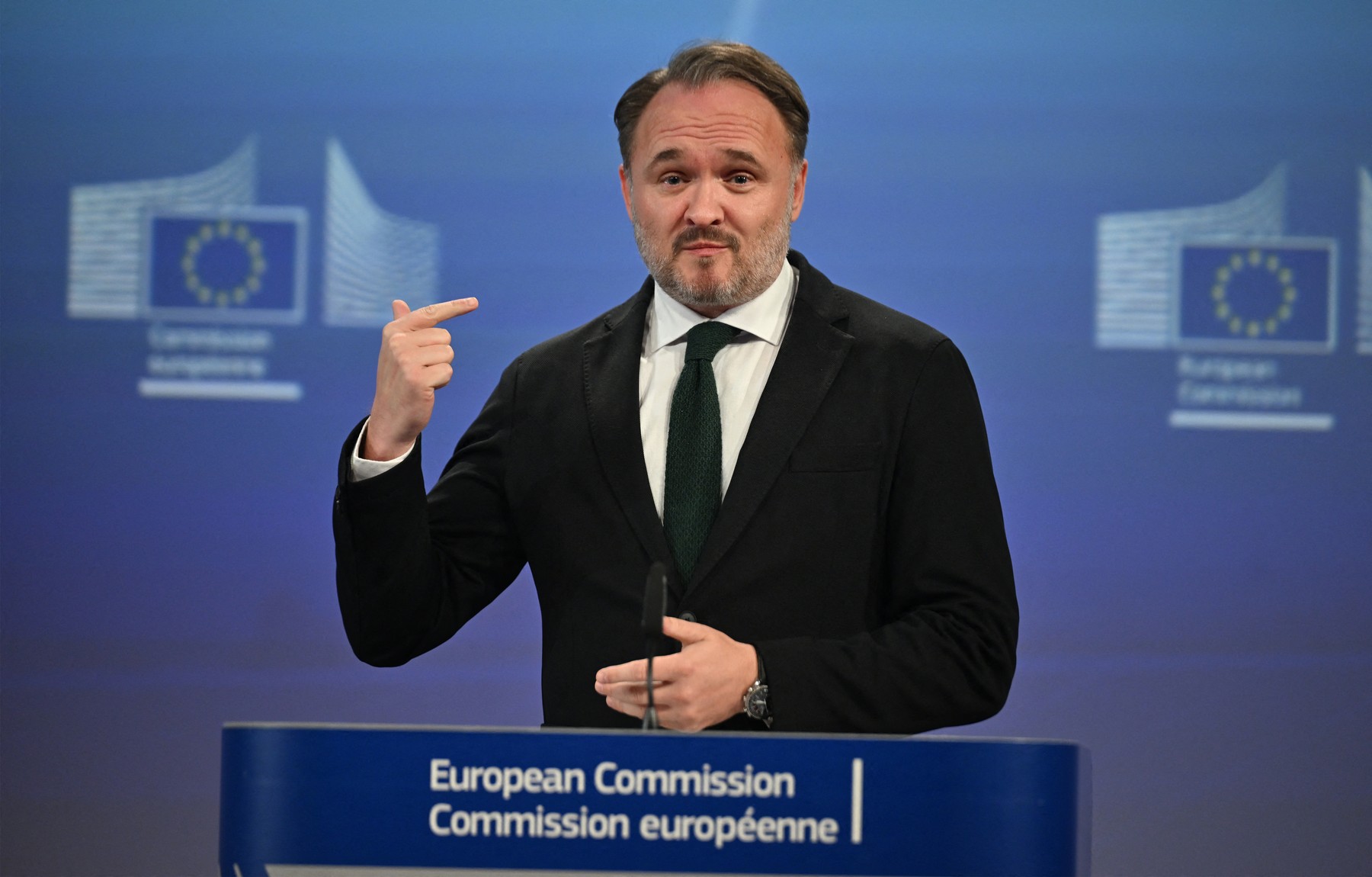
In the letter sent on Friday, Jorgensen linked higher prices to pressure on oil and gas markets as the Strait of Hormuz remains almost blocked. Europe’s dependence on overseas supplies leaves it exposed: imports meet about 80% of the bloc’s gas needs.
Europe has not yet experienced supply shortages. Rising prices are nevertheless making it harder for some countries to fill gas storage before winter, when household heating demand peaks. Gas Infrastructure Europe data put EU storage at around 70% full, 12 percentage points below the level recorded at the same time last year.
Jorgensen said the EU was better prepared than before the winter of 2021, when Russia cut gas deliveries. Expanded liquefied natural gas import capacity, greater use of renewables and lower gas demand have strengthened its position. Even so, he urged governments to step up winter preparations.