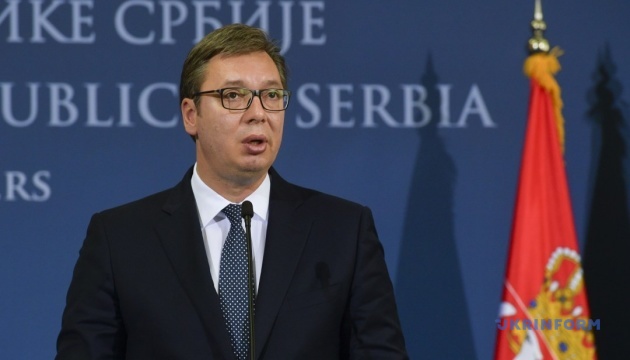
Serbian President Aleksandar Vucic said in a televised address to the nation that he had resigned in order to run in the snap parliamentary election and seek the premiership. He became president on May 31, 2017, and was re-elected in April 2022. His second term was due to end in mid-2027; Serbia’s constitution bars one person from serving more than two terms as head of state.
Vucic first announced his resignation in August 2025, without then linking it to a plan to become prime minister. In early September, he dissolved the unicameral National Assembly and called a parliamentary election for October 25. The main committee of the ruling Serbian Progressive Party confirmed that Vucic would lead the United Serbia list and become its candidate for prime minister if it wins.
His first resignation announcement came amid mass protests that began after a canopy collapsed at the recently reconstructed railway station in Novi Sad, killing 16 people. Protesters included a demand that Vucic resign.
Demonstrators accused the president and people around him of corruption, ties to organised crime, violence against political opponents and suppressing freedom of speech. These are allegations attributed to the protesters, not judicial findings established in the report. Vucic now explicitly links leaving the presidency to contesting the parliamentary election and a possible move to the premiership.