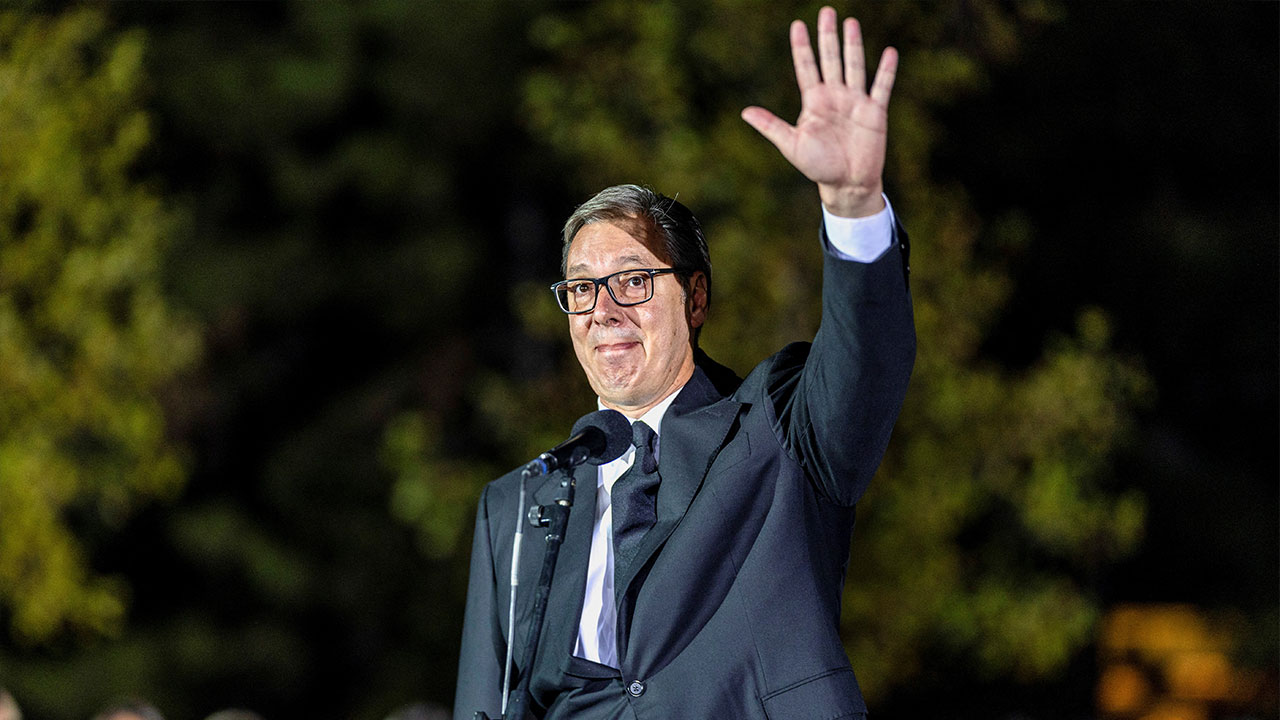
Vucic announced his intention to resign in June. Serbia’s constitution bars him from seeking a third presidential term, and he is now expected to become the Serbian Progressive Party’s candidate for prime minister in the coming parliamentary election, which is scheduled for late October.
A presidential election must be held within three months of the president’s resignation. Vucic has said it will take place more than a month after the snap parliamentary vote. That timetable would require voters to go to the polls twice before year-end. Parliamentary Speaker Ana Brnabic is due to serve as acting president until a successor is elected.
The political transition comes amid sustained protests. Demonstrations followed the 2024 collapse of the roof at the Novi Sad railway station, which killed 16 people. Protesters have blamed governance failures and disregard for safety. Students, teachers, workers and farmers have continued to demonstrate this year, with tensions rising after allegations that police used force against protesters.
Before leaving office, Vucic used his constitutional powers to pardon 49 people, including 23 students and several supporters of his party. They had been suspected of various offences linked to events over the previous year and a half. The Serbian Progressive Party is expected to face the student-led anti-corruption movement Students Win and the pro-Western opposition coalition European Serbia.
Vucic has been a dominant figure in Serbian politics for more than a decade. He became prime minister in 2014 and president in 2017. His government has pursued the stated goal of joining the European Union while maintaining close ties with Russia and encouraging investment from China.