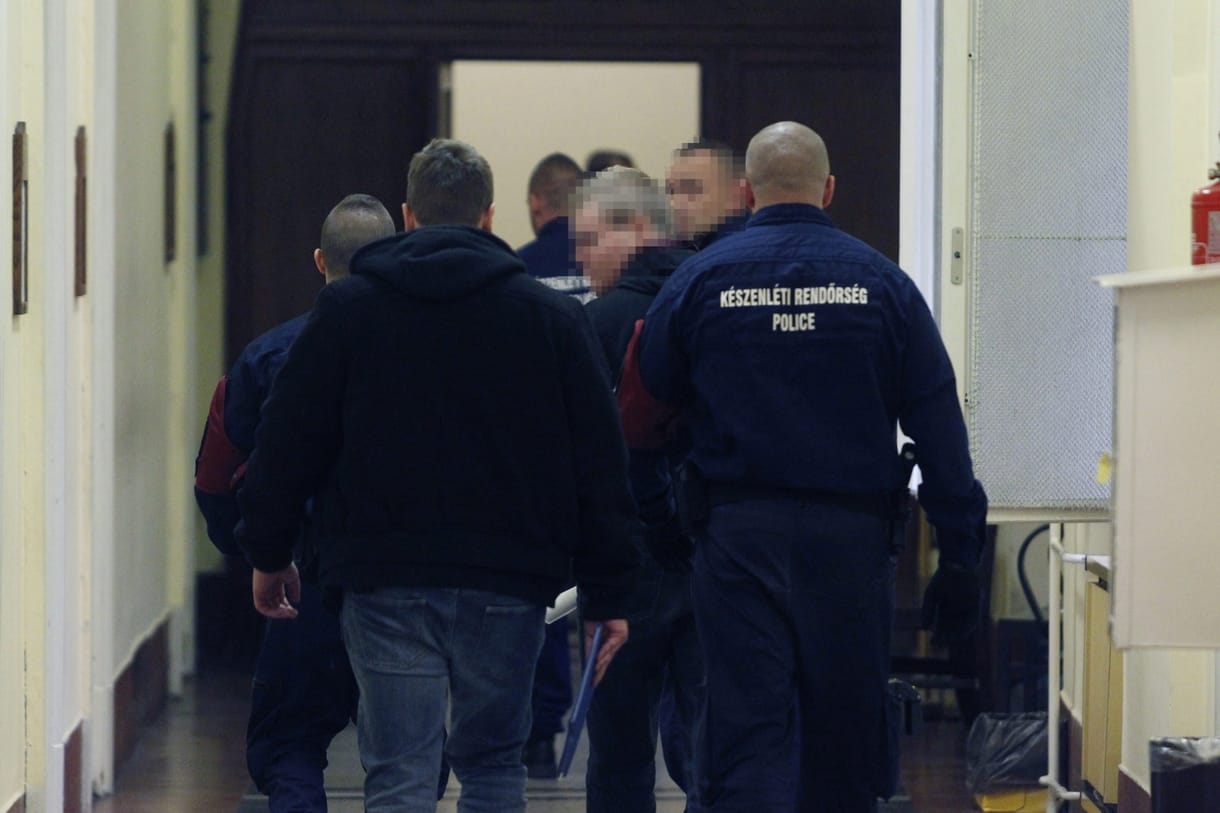
A bomb exploded on Teréz Boulevard in Budapest on the night of Sept. 24, 2016, severely injuring two police officers. Ten years later, one of them, László Vantara, described the shift and the aftermath in an interview with Blikk.
Vantara said officers had been able to choose between foot patrol on Teréz Boulevard and providing security at a Ferencváros–Újpest football match. They chose the street patrol, which they expected to be less demanding and less dangerous. They checked cars and people and kept an eye on unattended objects; nothing unusual had happened. Vantara was walking slightly ahead of his partner, Szabina, when a powerful blast came from behind and to the right. At first, he thought a football fan had thrown a firecracker at him.
Both officers fell. Vantara said he knew immediately what had happened and called for help. He saw that Szabina had a bleeding wound on her neck near the back of her head. Shrapnel entered his own head through the skin and bone, and other fragments caused injuries throughout his body. One nearly severed his large intestine; another pierced the pleura and lung and stopped in his chest near the heart. A fragment struck the pepper-spray canister on his belt, causing it to explode. His eardrums ruptured, leaving permanent hearing damage, and his melted high-visibility vest burned his skin.
Both officers returned to work after recovering. Vantara later left the Budapest police force and served as a police officer elsewhere in the country before leaving the service for family and personal reasons. He now holds a civilian administrative job. He said he was not afraid to return to the streets and did not seek psychological help. He has dreamed about the event only once, describing it as feeling like he was reliving the explosion.
According to the final court judgment, the bomber deliberately inflicted life-threatening injuries on the officers to obtain their weapons. He later emailed the Interior Ministry demanding 1 million euros and threatening further bombings. He received a life sentence and can be considered for parole no earlier than after 30 years.