An analysis published by HVG 360 says that, following Hungary’s change of government, the culture ministry under Zoltán Tarr has not clarified how it will restore decision-making authority in the cultural sector or address institutional issues inherited from the previous administrative structure. The author argues that the ministry’s remit narrowed over the past 16 years while the Hungarian Academy of Arts gained a larger role in grants and awards.
The article highlights the future of the House of Terror Museum and the Imre Kertész Institute. It says the ministry has not opened a public professional debate about the institutions or announced an expert review of their exhibitions. The piece describes the museum’s proposed closure as politically sensitive: after protests, the institution slated for closure reopened free of charge for several days.
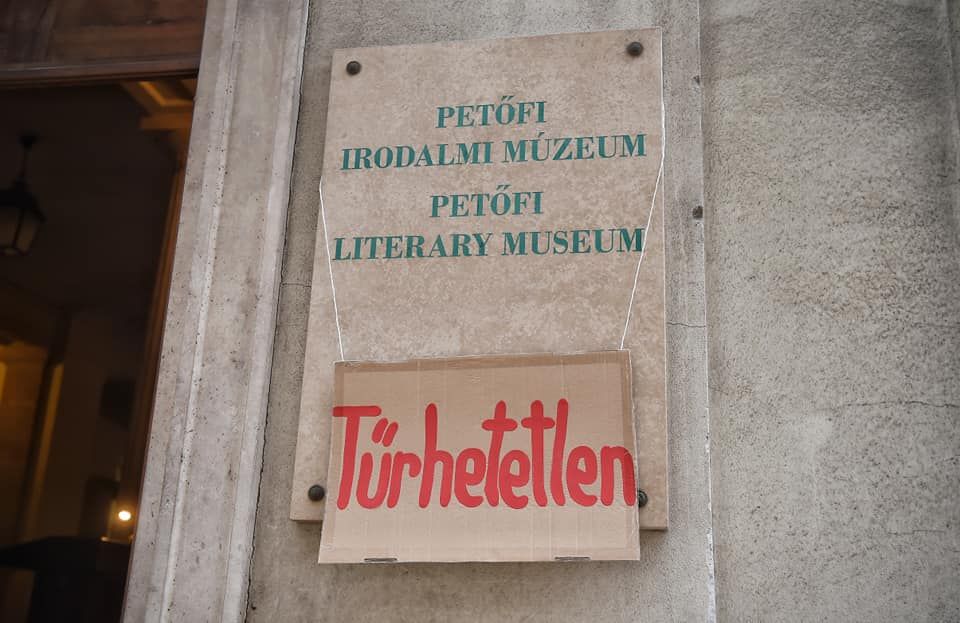
Other issues raised include the position of National Theatre director Attila Vidnyánszky and the appointment of museum leaders. The analysis says several public-collection directors were dismissed without publicly stated reasons and that leadership competitions have not been announced for some institutions. HVG presents these points as concerns about transparency and professional oversight in cultural administration.
The article also criticises the handling of heritage properties and cultural projects. Examples include the stalled renovation of the Museum of Applied Arts, the future of vacant buildings in Buda Castle and the transfer of cultural venues to other ministries. The author argues that the culture ministry should initiate consultations and open calls on how the properties should be used.
HVG compares the funding positions of the Hungarian Academy of Arts and the Széchenyi Academy of Literature and Arts, and calls for clearer professional rules governing public cultural funds and institutions. The supplied article text does not include responses from the ministry or the organisations discussed.