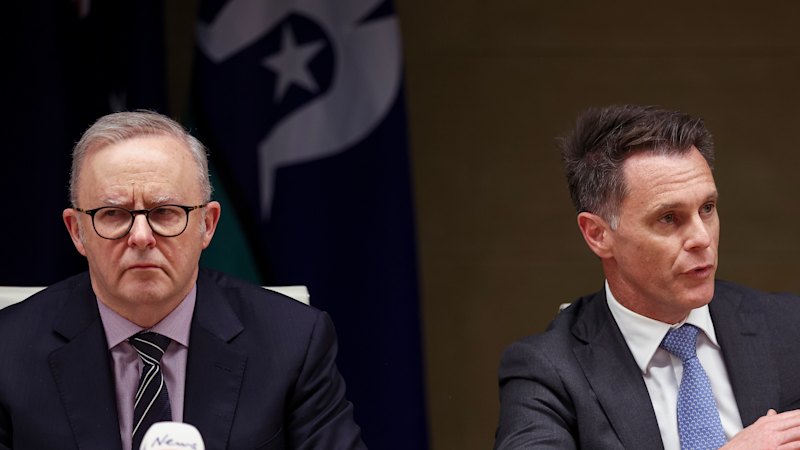
Australia’s governing Labor Party is considering spending cuts ahead of a December budget update as it seeks to demonstrate fiscal restraint and ease inflationary pressure. The debate has widened after disagreements with Reserve Bank of Australia Governor Michele Bullock and public criticism from New South Wales Premier Chris Minns.
Minns said governments should take demand out of the economy and be careful with public money. His comments followed Bullock’s assessment that inflation was being driven by domestic capacity pressures, with price effects from the Middle East war an additional factor. Federal Labor figures were surprised by the governor’s blunt remarks, which challenged the government’s emphasis on external causes.
Treasurer Jim Chalmers pointed to headline inflation rising to 4% in August from 3.5% in July. The underlying measure emphasized by the RBA was unchanged at 3.6%, above the 2.5% midpoint target. Chalmers said higher global oil prices were the main reason headline inflation increased. Deloitte Access Economics partner Stephen Smith countered that non-tradables inflation remained high at 4.5%, indicating domestic pressures.
The cabinet’s spending committee will examine options for savings in December. One proposed measure is a $3 billion cut to the private health insurance rebate for older people. Prime Minister Anthony Albanese said the government had saved $178 billion from unexpectedly strong revenues. Some Labor MPs worry that cuts to health or aged care would affect voters who rely on those services.
The dispute follows an RBA rate increase that brought borrowing costs to a 15-year high. Former central bank governor Philip Lowe and former senior officials Martin Parkinson and Ken Henry have argued for budget surpluses amid strong revenue and low unemployment. Labor faces the challenge of reducing spending without weakening services or further burdening households with mortgages.