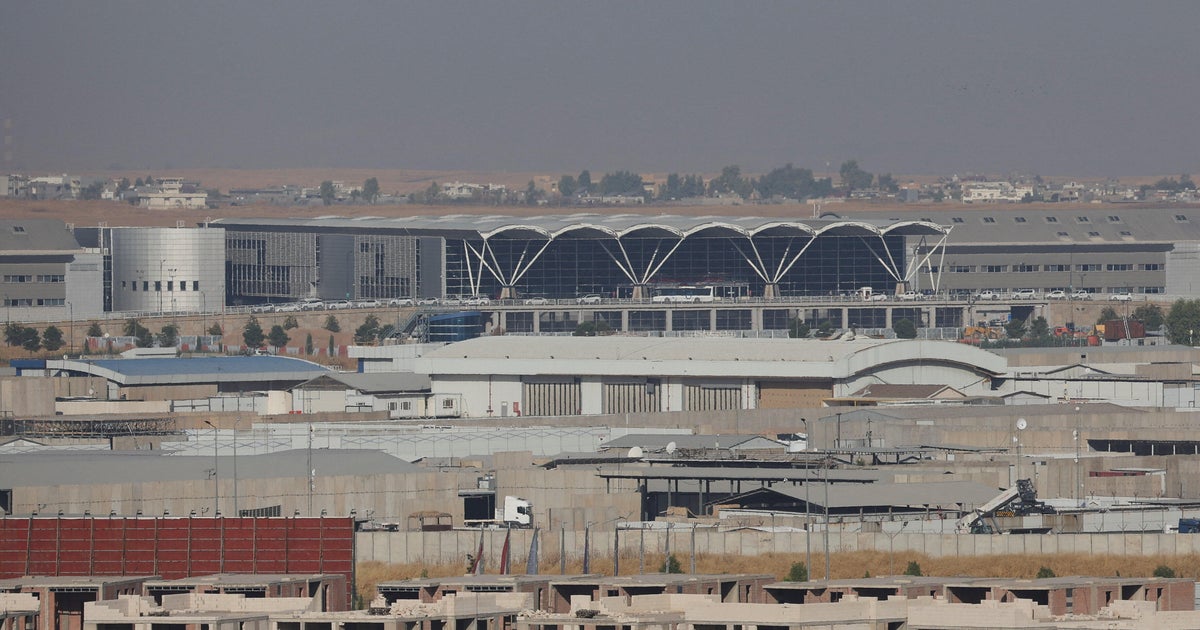
The departure of coalition forces and equipment from Erbil Air Base in northern Iraq marks the end of the U.S.-led military mission against the Islamic State group, Pentagon spokesman Sean Parnell said. He called it the conclusion of a 12-year campaign launched in 2014 and a transition from a wartime coalition operation to Iraqi-led security backed by a more normal bilateral relationship with Washington.
Operation Inherent Resolve was launched to confront ISIS, which seized large areas of Iraq and neighboring Syria. The campaign has pushed the group out of significant territory, but ISIS has not ceased to exist. In December 2025, an ISIS attack killed two U.S. soldiers and a translator, according to U.S. Central Command; the United States responded with airstrikes.
About 2,000 U.S. personnel were in Iraq as of February, officials said at the time. That is far below the more than 160,000 troops stationed there at the peak of the late-2000s surge. Roughly 1,500 U.S. troops who had been in Syria for several years withdrew earlier this year.
The transition had been agreed by Baghdad and Washington several years earlier. Under their 2024 joint plan, the multinational coalition against ISIS was to end by 2025, while the Inherent Resolve mission was expected to conclude by the end of 2026. In July, Defense Secretary Pete Hegseth told Iraqi Prime Minister Ali al-Zaidi that Washington was committed to ending the mission by September 30.
Security concerns remain, including ISIS remnants and Iran-aligned militias. The Pentagon says Iran-linked groups carried out more than 600 attacks against U.S. citizens and facilities between February and April 2026. Al-Zaidi has pledged to disarm the militias. He told The New York Times this week that they are expected to be disbanded by June 2027, after an earlier September 2026 target.
Parnell said Iraqi security forces, including the Kurdish Peshmerga, are expected to lead continued efforts to suppress ISIS remnants, with targeted U.S. training and intelligence support. The Pentagon says primary responsibility for Iraq’s remaining security challenges now rests with the Iraqi government.