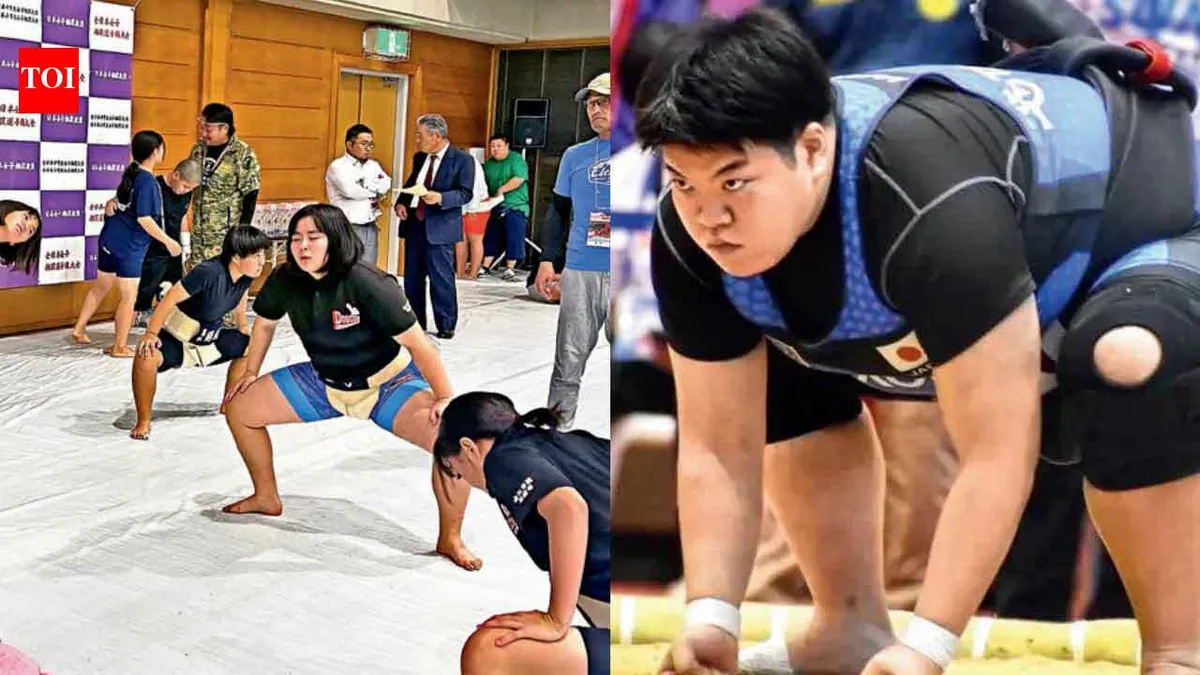
More than 600 women practise sumo in dozens of Japanese clubs, but the sport’s lack of recognition limits athletes’ prospects beyond university.
More than 100 women and girls gathered at Kyoto’s martial arts centre for a sumo competition. Women remain barred from the dohyo used in professional sumo, a restriction associated with religious beliefs that regard menstruation as impure. Amateur athletes train and compete at separate venues.
More than 600 women are said to practise sumo in over 70 clubs across Japan. The Japan Sumo Association does not recognize women’s sumo, leaving private clubs, schools and universities to sustain it. Historical research suggests women took part in sumo as far back as the fifth century. Women’s competitions returned at different times, but were banned in 1926. Organized amateur activity resumed in 1997.
Airi Hisano, 27, took up sumo after karate and judo and now balances training with an administrative job. She said she had faced ridicule and a lack of acceptance. The Tokyo-based Yoko Sumo Club, founded in 2024, says public awareness of women’s sumo remains limited.
The challenge is also structural. After university, athletes often lack recognition, funding and clear career prospects, prompting many to leave. Coach Mao Ueda says the sport needs a more sustainable structure. Some wrestlers continue to hope sumo will eventually be included in the Olympic programme.
Girls also train in mixed clubs. Momoka, nine, has practised sumo for two years and hopes to become an Olympian. Her ambition reflects the enthusiasm of young participants, but the sport’s future depends on whether they can continue after school and university.