Negotiations continue, but the two sides are nearing the limits of compromise, India’s finance minister said.
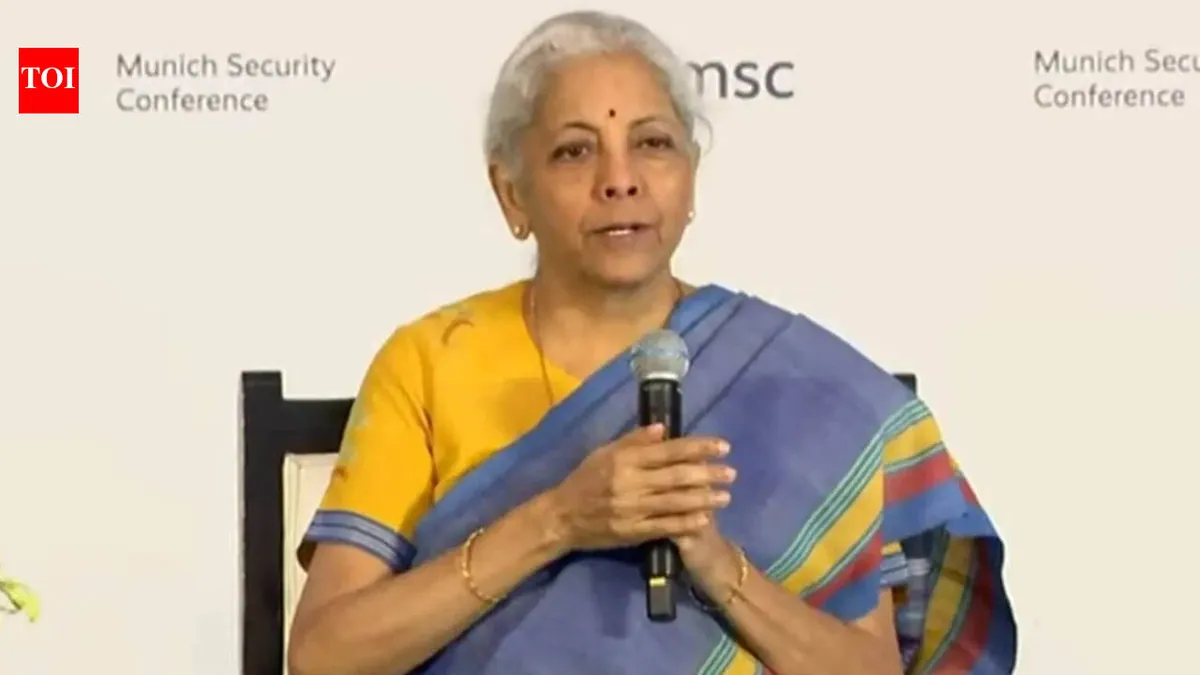
India and the United States have reached a “plateau” in negotiations on a bilateral trade agreement, and further concessions are likely to be very difficult, Finance Minister Nirmala Sitharaman said. Speaking at the Munich Leaders Meeting in New Delhi, she said talks were continuing and progress depended on whether both sides could find room for compromise.
Sitharaman described the negotiations as rigorous and identified the trade imbalance as a central issue. The balance currently favours India, she said, while Washington would naturally seek to reduce what it considers accumulated losses. She said tariffs were increasingly being used beyond their previous frameworks, although countries still needed negotiations to reach a give and take.
She said trade policy was shifting toward bilateral agreements as countries sought new partners. Multilateralism had weakened, she said, but should not disappear. Asked about strategic autonomy and India’s purchases of Russian oil, Sitharaman said Europe had no Lindsay Graham bill.
As an example, she cited the India-EU trade agreement. India had opened 92.5 per cent of tariff lines and about 97 per cent of trade by value, she said. The EU had opened 99 per cent by value and possibly 97 per cent of tariff lines. Greater European market access could support jobs in labour-intensive sectors such as footwear, textiles, toys and processed products.
The New Delhi meeting brought together about 100 senior decision-makers and experts to discuss geoeconomics, trade, connectivity, maritime security and defence cooperation.