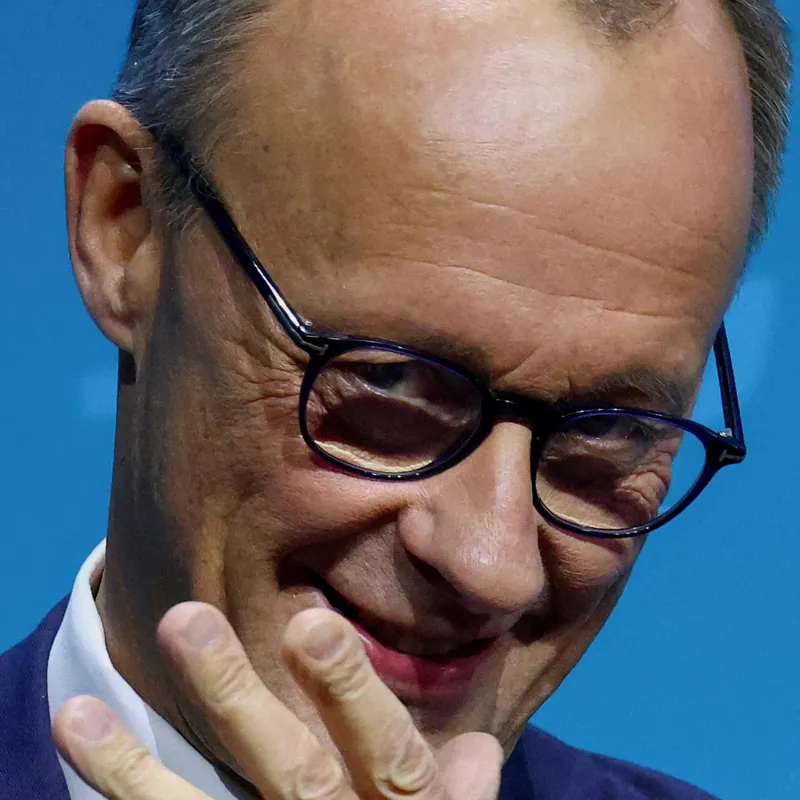
During an unannounced visit, Berlin pledged military and energy assistance to Ukraine and agreed to joint drone production.
German Chancellor Friedrich Merz arrived in Kyiv on October 4 with an economic delegation. The visit had not been announced in advance. Lenta.ru, citing Politico, reported that talks with Ukrainian President Volodymyr Zelensky included the prospect of Ukraine joining the European Union by 2027, but the leaders did not reach agreement.
According to Lenta.ru’s account of the Politico report, Merz questioned whether Ukraine could join the bloc in the coming years and floated access to the EU single market and observer status without voting rights in EU institutions. Zelensky rejected that option, saying Ukraine needed full and equal membership. These details are attributed to the media reports.
Germany announced €1 billion in military support for Ukraine and a further €350 million for repairs to energy infrastructure. Kyiv and Berlin also agreed to jointly produce several types of drones. Lenta.ru reported that Merz said peace talks could begin after a ceasefire and an end to strikes on infrastructure needed for Ukraine’s preparations for winter.
Dmitry Novikov, first deputy head of the Russian State Duma’s international affairs committee, criticized the conditions for talks. He argued that linking negotiations to a halt in strikes while also pledging military assistance made the proposal less practicable. Other Russian politicians and Foreign Ministry spokeswoman Maria Zakharova also condemned the visit and support for Kyiv. Lenta.ru presented their views separately from statements by the German and Ukrainian sides.
The article also cited German opposition politicians criticizing the cost of aid to Ukraine and Russian commentators making claims about Merz’s approval rating. Those are attributed political assessments, not official data on German public opinion.