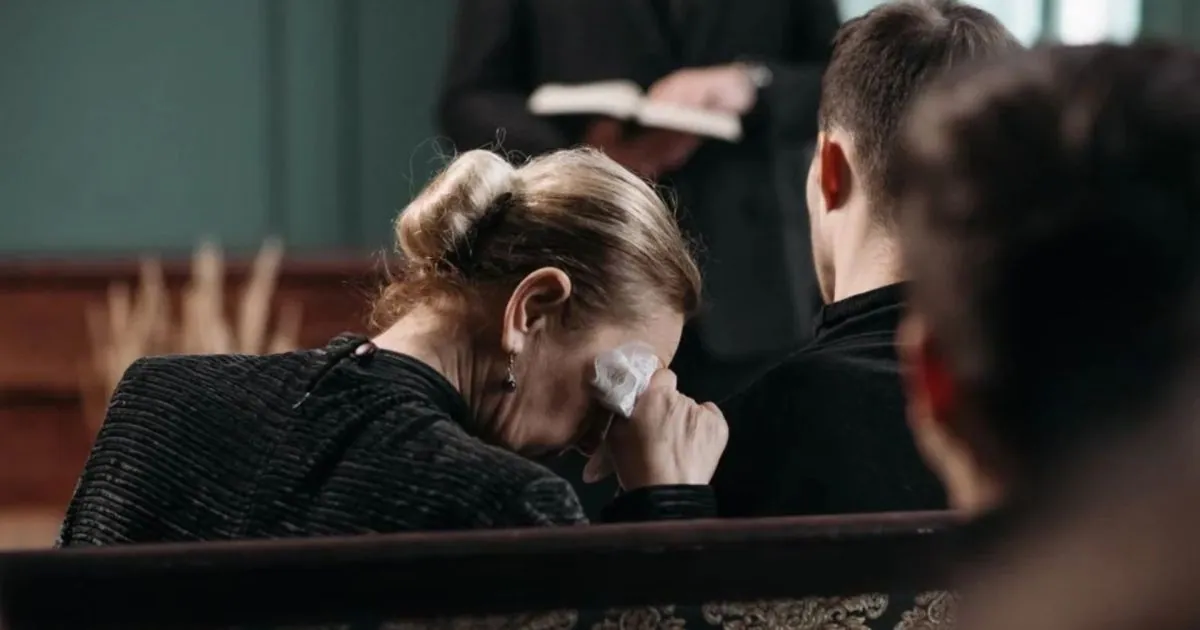
Nervous laughter can arise under intense stress and does not necessarily signal amusement or indifference. Research links laughter with lower stress, but does not show that involuntary laughter at a funeral is a way of coping with grief.
Laughter at a funeral can seem at odds with grief to people nearby and cause further embarrassment for the person who cannot stop it. But an involuntary reaction does not necessarily reflect someone’s mood. Under intense tension, anxiety or discomfort, some people experience nervous laughter even when nothing is funny.
CNN Brasil notes that researchers have studied the relationship between laughter and stress, though not specifically among people at funerals. A 2026 meta-analysis in BMC Psychology combined 15 studies involving 1,344 adults and found lower stress after laughter-based interventions, including comedy sessions and laughter yoga. The authors urged caution in interpreting the findings. The review does not prove that involuntary laughter at a funeral is the body’s way of relieving stress.
Fear of being misunderstood can add to the discomfort. When laughter begins to surface, shifting attention to another object or sensation, breathing more slowly or briefly stepping away, when appropriate, may help. If others mistake the reaction for mockery or disrespect, the person can explain that it was involuntary.
A single episode does not by itself indicate a psychological problem. Professional advice may be useful if the laughter recurs, is difficult to control, interferes with daily life or relationships, or comes with other symptoms. Some medical and neurological conditions can also affect emotional expression.