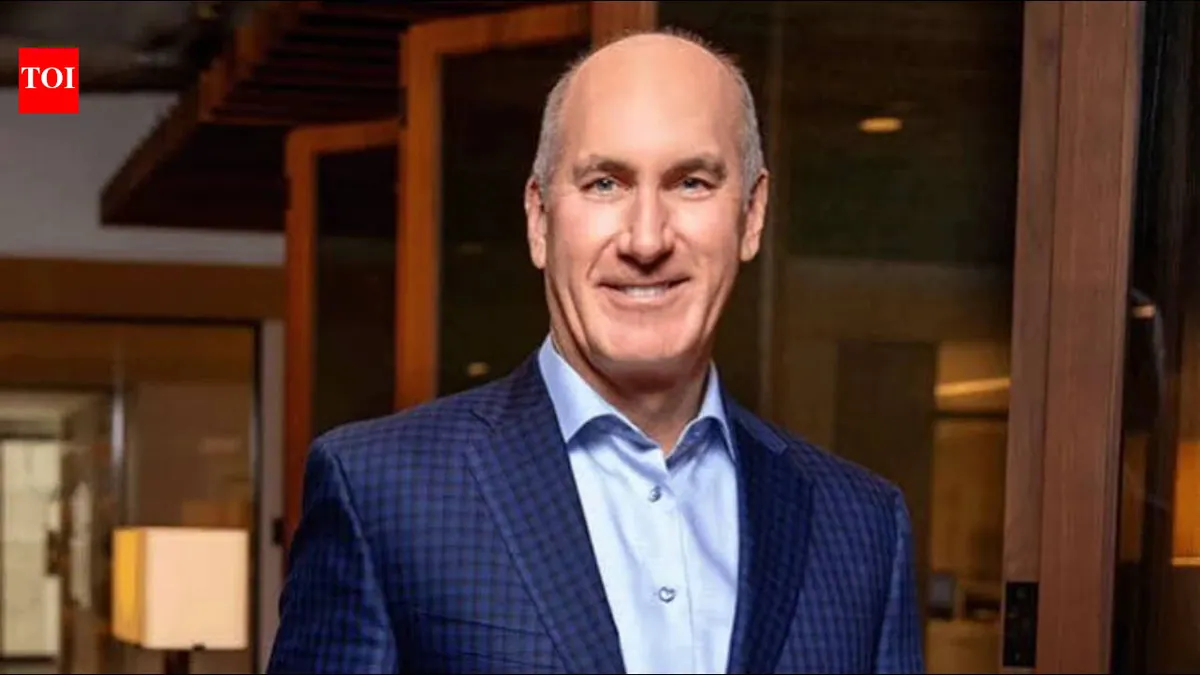
John Stankey argues satellite connectivity cannot replace terrestrial infrastructure without major investment.
AT&T chief executive John Stankey has called SpaceX’s plan to turn Starlink into a major mobile-carrier rival unviable. In an interview with Axios, he said the economics and technical requirements did not add up. Elon Musk’s company has discussed moving beyond satellite broadband into mobile services.
SpaceX disclosures showed Starlink had 12 million subscribers and more than 10,200 satellites covering 167 countries as of June 30. Connectivity accounted for 55 per cent of SpaceX revenue. Company president Gwynne Shotwell has said Starlink expects to win customers from traditional carriers.
Stankey said Starlink would need substantial ground infrastructure to match cellular network capacity. Installing enough small base stations, he argued, could cost as much as building a conventional macro network. One analyst estimated such a build-out could cost more than $100 billion. Stankey also pointed to legal limits on broadcasting cellular signals from private property without the owner’s permission.
AT&T is investing in fibre and announced a $3 billion agreement with Corning to expand its network. Stankey said fibre can deliver speeds about three times faster than satellite connectivity. That comparison reflects the view of an executive whose company competes with Starlink.
Satellite-to-mobile service could still be useful in remote areas, at sea and during emergencies. Analysts quoted by the article said it remains far from replacing terrestrial carrier networks.