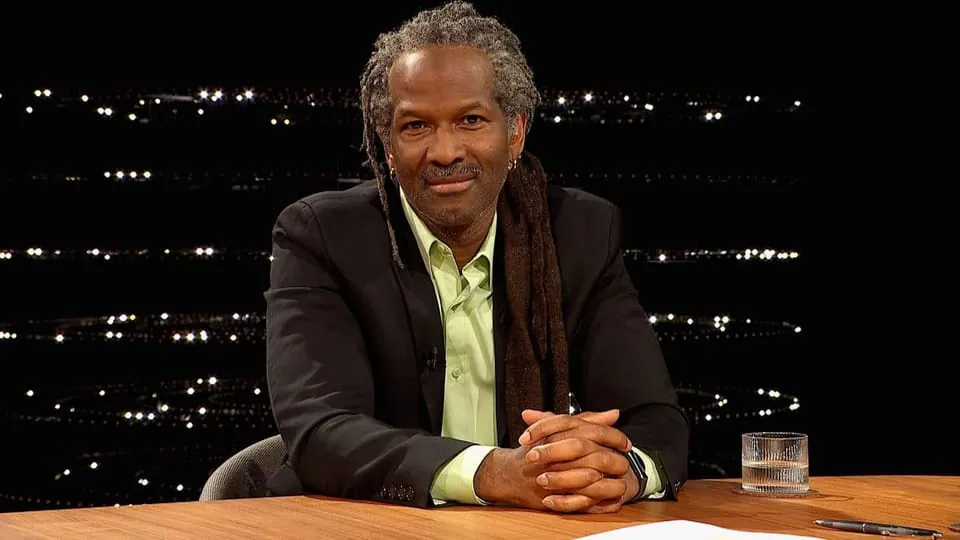
Researcher Carl Hart, who grew up in a poor Miami neighborhood, says public debate about drugs often obscures poverty and racial disparities in drug laws. He also speaks openly about using heroin and cocaine himself.
Hart grew up amid violence, guns and crack, alongside the idea that drugs were the root of all hardship. Later, he studied how addiction develops, hoping to help his community. In experiments, he offered participants crack, cocaine or methamphetamine and a choice between a dose and money. As the cash offer increased, they more often chose the money.
Hart concluded that the participants’ choices could not be explained simply as an inability to act otherwise. He argues that drug use must be understood alongside people’s living conditions and says crack has sometimes served as an excuse for inaction on poverty in African American neighborhoods.
He also points to racial disparities in U.S. drug laws. Hart says earlier laws punished crack offenses 100 times more harshly than powder cocaine offenses, despite the substances being the same drug in different forms.
Hart now advocates legalizing all drugs and says he uses substances including heroin and cocaine. He argues that the public image of an addicted person distorts perceptions of users, most of whom, he says, do not experience addiction. Many drug researchers disagree with his comparisons between hard drugs, alcohol and driving. Hart says he uses drugs occasionally, while balancing work and family.
Hart cites estimates that about 10 to 15 percent of alcohol users and roughly a quarter of heroin users develop dependence. He uses that comparison to argue against blanket bans. He also says many activities, from sex to driving, involve risk, but society does not always discuss those risks in the same way. The report notes that many drug researchers consider comparisons between hard drugs, alcohol and cars debatable.