A reported British tariff plan remains unconfirmed, while sales data from Tesla and Australia point to renewed electric-vehicle demand after last year’s slump in the US.
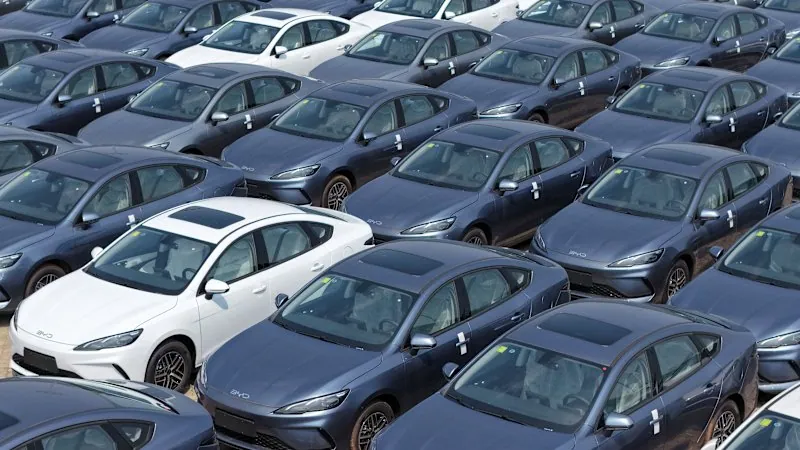
Britain is considering tariffs on Chinese electric-vehicle imports amid concern that state-subsidised cars are being dumped into the market, The Times reported on Sunday. The newspaper said Business Secretary Jonathan Reynolds was preparing options. Reuters said it could not immediately verify the report, and a British government spokesperson told the agency that no tariffs had been imposed.
The Times said ministers were ready to match the European Union’s 45 per cent levy on Chinese electric cars. The reported discussions are linked to the EU’s proposed “Made in Europe” rules, which would prioritise European-made goods and reduce reliance on Chinese components. British manufacturers fear the policy could disadvantage UK companies that supply European factories and sell vehicles across the bloc.
Prime Minister Andy Burnham said last month that Britain should be treated as a “trusted partner” under the proposed EU rules. The Financial Times reported in September that Brussels had urged him to align more closely with EU trade policy and raise tariffs on Chinese cars. The Times, citing senior government sources, said ministers believe any decision should be based on Britain’s national interest rather than automatically following the EU. No British tariff decision has been announced.
The policy debate comes as electric-vehicle sales begin to recover in several markets after last year’s US downturn. The federal $7,500 tax credit was eliminated under legislation signed by US President Donald Trump. The expected end of the incentive briefly lifted sales, taking EV market share to nearly 11 per cent in the third quarter of last year. Sales then fell, leaving dealers with unsold stock and manufacturers trying to gauge demand without subsidies.
Recent company figures suggest a firmer market. Tesla and Rivian both reported stronger-than-expected third-quarter sales. Tesla delivered 486,532 vehicles worldwide, above the average analyst estimate of 463,761 compiled by Bloomberg. RBC Capital Markets analyst Tom Narayan said the company could be benefiting from higher fuel costs and pullbacks by large US automakers. Executives at Hyundai and Ford have also said dealers are asking for more battery-powered models. Hyundai’s North American chief Randy Parker linked the renewed interest in part to petrol and diesel prices rising amid the war in Iran.
Australia has recorded a sharp increase in sales. The country sold 157,958 electric vehicles in the six months to June, more than twice the total for the same period a year earlier, according to figures from the Electric Vehicle Council. Battery-electric models accounted for 103,716 sales and plug-in hybrids for 54,241. One EV was sold about every 100 seconds during the first half of the year, and electric vehicles’ share of new-car sales rose from 10 per cent last year to more than 25 per cent by September.