
Budget revenues fell from $12 billion in 2010 to an estimated $1.5 billion–$2 billion in 2025, while about 90% of Syrians live below the poverty line, Karam Shaar said. He urged a focus on jobs, institutions and reliable energy.
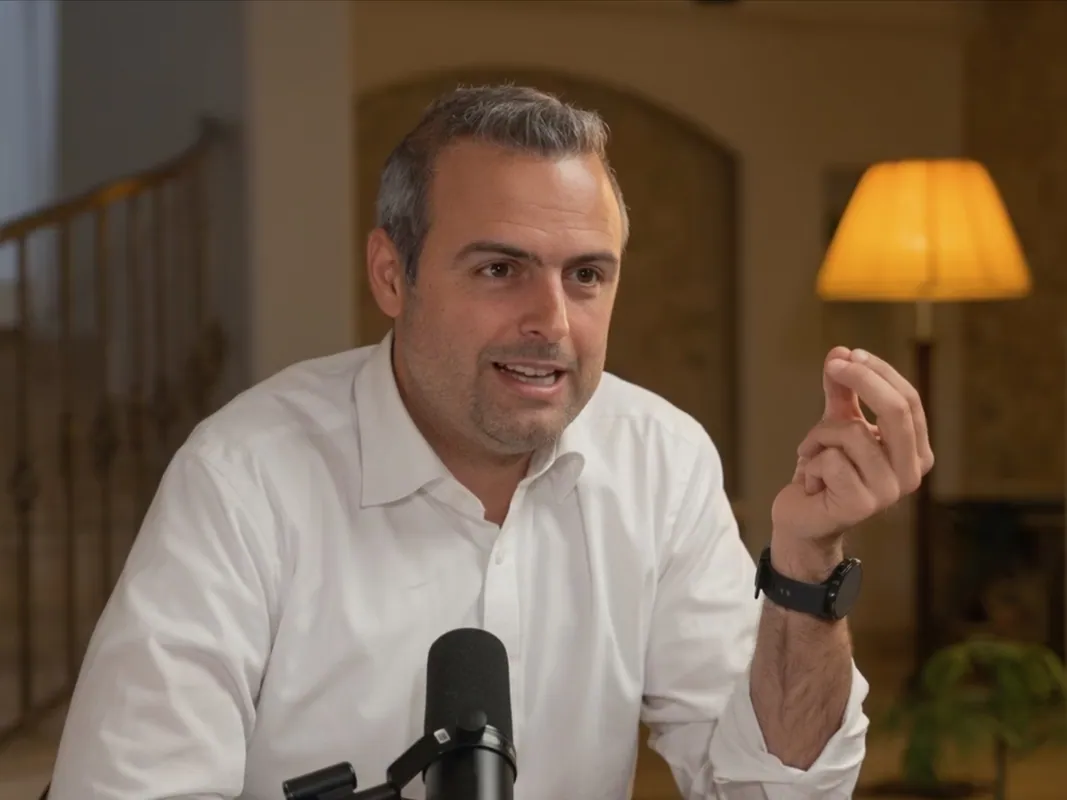
Political economist Karam Shaar said weak governance and fragile institutions, rather than sanctions, are now the main obstacles to Syria’s economic recovery. He spoke on the “Inside Syria” podcast on the Syria Now platform. Shaar said the effects of sanctions still weigh on foreign companies’ willingness to return.
The political change raised expectations of broader reform, but the policy course did not meet all of them, Shaar said. He described the initial approach as liberal, with privatization and a smaller role for government. After the government was formed in March 2025, privatization disappeared from the agenda and the authorities began accepting concessional loans. He called the shift pragmatic in the face of crisis.
Official figures cited in the interview show state budget revenues falling from about $12 billion in 2010 to between $1.5 billion and $2 billion in 2025. Shaar said about 90% of Syrians live below the poverty line. He urged policies that prioritize basic needs and create jobs in labor-intensive sectors such as agriculture and public works.
Shaar said the strict conditions attached to IMF loans may be too difficult for Syria at this stage, while concessional borrowing from the World Bank and other development institutions is needed for reconstruction. The formal lifting of several sanctions, including EU restrictions and the Caesar Act, has not immediately restored business confidence. International companies need time to update compliance systems and reassess the market.
He linked some inflationary pressures to deficit financing through digital bank liquidity and a sharp rise in imports after the market was opened. Imports doubled in a year, he said, draining foreign currency and adding pressure on the exchange rate. Shaar defended public-sector wage increases as necessary support for workers, despite their possible contribution to inflation.
To stabilize the currency, he called for real investment, the return of expatriates and stronger exports rather than administrative controls. Investors need predictable rules, a stable investment law, functioning commercial courts, and reliable electricity and energy, he said. Shaar also criticized broad fuel subsidies, which he said often benefit smugglers and wealthy groups. He proposed replacing them gradually with direct cash support for eligible households while encouraging private investment in energy. He expects the economy to grow as it recovers, but questioned who will benefit from that growth.