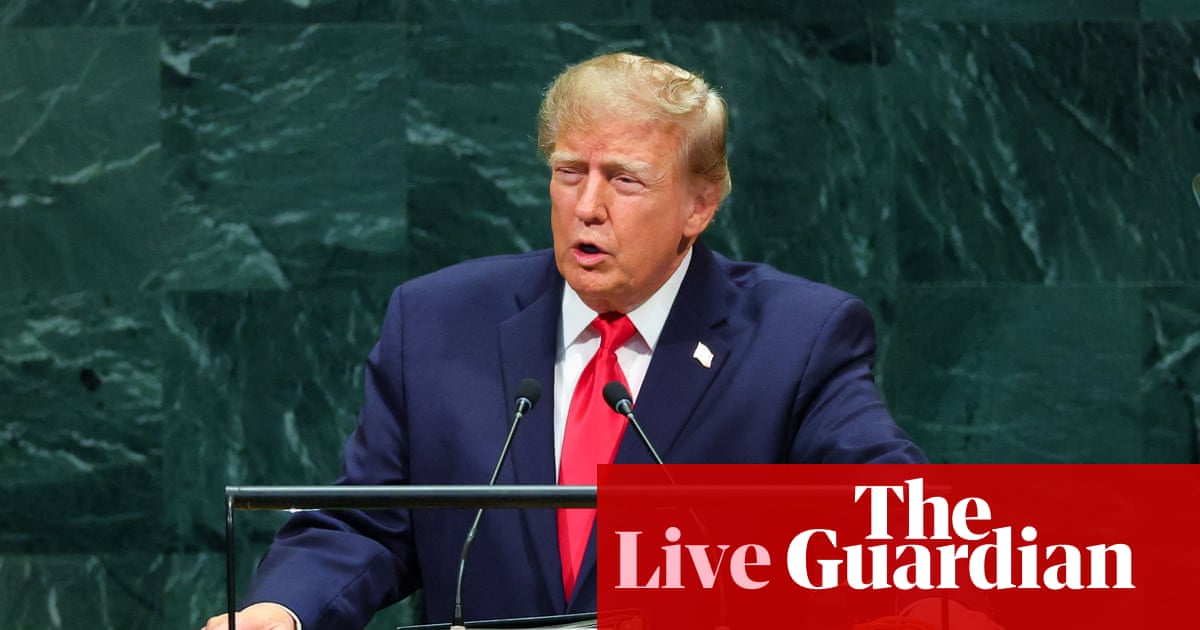
In a sharply confrontational speech to world leaders in New York, Trump said the Cuban government was under "the biggest pressure they’ve ever been under" and described the island as a "failed state" that the United States intends to overhaul.
He then turned to the Western Hemisphere, praising the midnight operation that arrested Venezuelan President Nicolás Maduro and lauding the subsequent oil deal with his successor, Delcy Rodríguez, as proof that the United States will no longer tolerate threats to its interests in the region.
The president also issued a stark warning to Tehran, stating that the U.S. would "annihilate the Islamic Republic" and "drive them into Hell" unless the regime agreed to a deal, a threat he framed as part of a broader war launched earlier this year alongside Israel.
When critics raised concerns that the war with Iran had depleted U.S. strategic munitions, Trump dismissed the claims on Truth Social, insisting the United States possessed “more munitions than we could ever possibly think of using” and was building reserves at unprecedented levels.
Trump’s remarks came amid a broader pattern of heightened U.S. activity in the Americas, including drone strikes on Caribbean and Pacific vessels, a hard‑line sanctions regime on Cuba, and a public push for regime change that has drawn condemnation from allies and human‑rights groups.
Analysts warned that the president’s rhetoric could inflame regional tensions, complicate diplomatic efforts to resolve the Iran conflict, and further isolate the United States from traditional partners while reinforcing a narrative of unilateral military assertiveness.