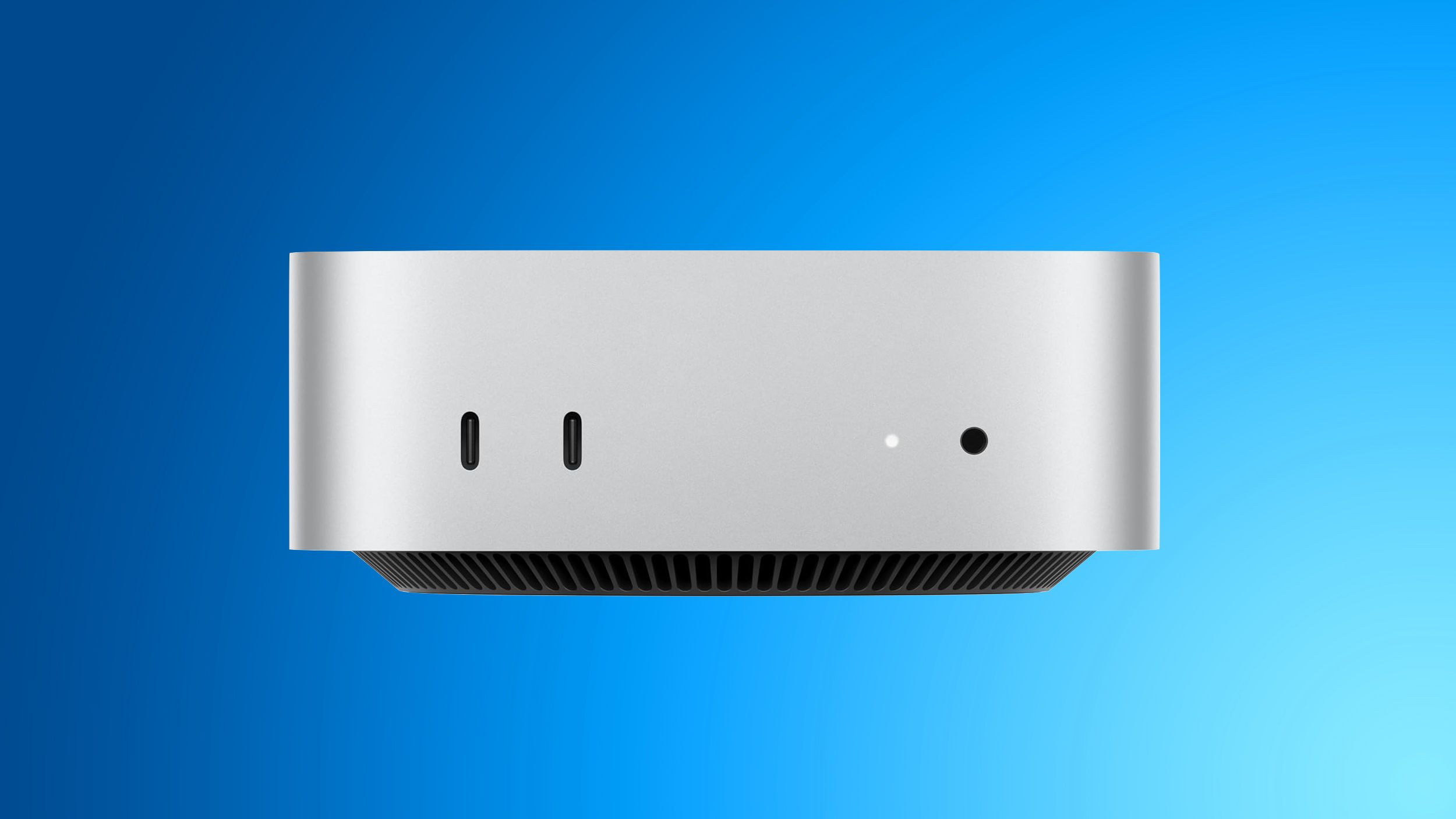
The change was confirmed by the third‑party site “Expand Mac mini,” which tracks Apple’s hardware configurations. According to its data, the M6 and M5 Pro models ship with storage that is permanently attached to the motherboard, whereas the prior M4 and M4 Pro models used removable SSD modules that could be upgraded after purchase.
Expand Mac mini noted that its own plug‑and‑play SSD modules, which are functionally equivalent to Apple’s proprietary parts but cost considerably less, allowed customers to buy the base 256 GB configuration from Apple and later install a higher‑capacity aftermarket drive, saving hundreds of dollars. The site’s blog now states, “We will keep looking for an opening, but support for the M6 and M5 Pro now looks unlikely,” indicating that such upgrades are no longer feasible.
Apple has not issued a comment on the shift to soldered storage. The company’s earlier models with M1 and M2/M2 Pro chips also featured soldered NAND, making the removable‑storage M4/M4 Pro configuration a one‑off exception rather than a new standard.
Performance testing by AAPL Ch. using Blackmagic’s Disk Speed Test shows a noticeable speed gap between the new 256 GB and larger‑capacity models. The 256 GB variant, which uses a single NAND chip, recorded read speeds of about 3,200 MB/s and write speeds near 3,000 MB/s, roughly half the 6,300 MB/s read and 6,600 MB/s write speeds of the 512 GB version that employs dual NAND chips.
While the average consumer may not perceive the difference, power users are advised to opt for at least 512 GB of storage to achieve the fastest SSD performance. Even so, the new 256 GB Mac mini still outpaces the previous generation’s 256 GB model, which also used a single NAND chip.
The shift has broader implications for the Mac mini market: it removes a cost‑saving upgrade path, may push buyers toward higher‑priced Apple‑configured storage options, and underscores Apple’s continuing trend of integrating more components directly onto the logic board.