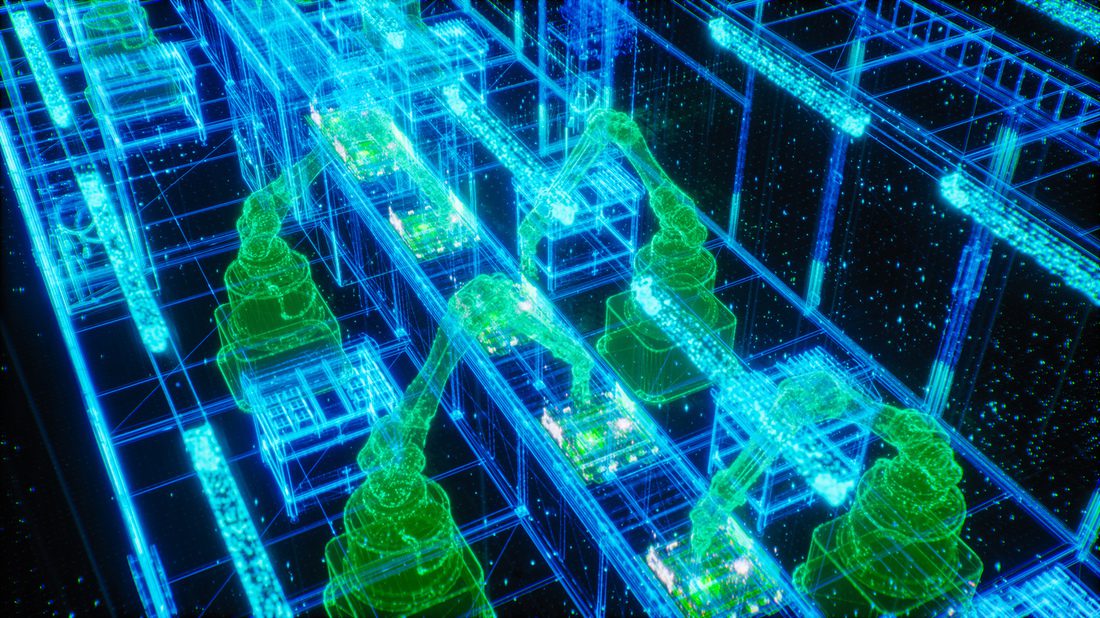
Whitford describes digital shadows as real‑time, AI‑enhanced replicas of a bioprocess or piece of equipment that simply report on what is happening, unlike digital twins that can also command the system. Because they do not intervene, they are easier to deploy and sidestep the regulatory scrutiny that accompanies active process control.
The biotech entrepreneur argues that digital shadows are especially useful for handling the massive, heterogeneous data streams generated by modern bioprocess analytics. Machine‑learning algorithms can ingest time‑series sensor data, imaging, analytical results and historical manufacturing records, coping with the non‑linearity and high dimensionality that simpler equations cannot manage.
In practice, a digital shadow could monitor a bioreactor’s outgassing profile, track carbon‑dioxide and oxygen levels, and infer metabolic activity. By layering historical data, the model could also estimate viable cell counts, providing operators with actionable insights without manual calculations.
Whitford says the ultimate benefit is increased product output per square foot of plant, per bioreactor volume, or per unit of time – the hallmarks of process intensification. He urges industry players to explore the tools his firm offers, noting that a less comprehensive but easier‑to‑implement solution may be sufficient for many manufacturers seeking efficiency gains without regulatory hurdles.