The narrator grew up riding waves at Porthcawl in south Wales, learning to bodyboard as a toddler and later surfacing as a regular surfer with her brother Leon.
In her teens she began battling chronic conditions, including endometriosis, and by her early twenties a connective‑tissue disorder left her able to stand only a few seconds and walk a few metres.
At age 23 an acute infection caused complications that resulted in the loss of use of her legs, and a paralysed stomach forced her onto a feeding tube that runs from her oesophagus to her intestines.
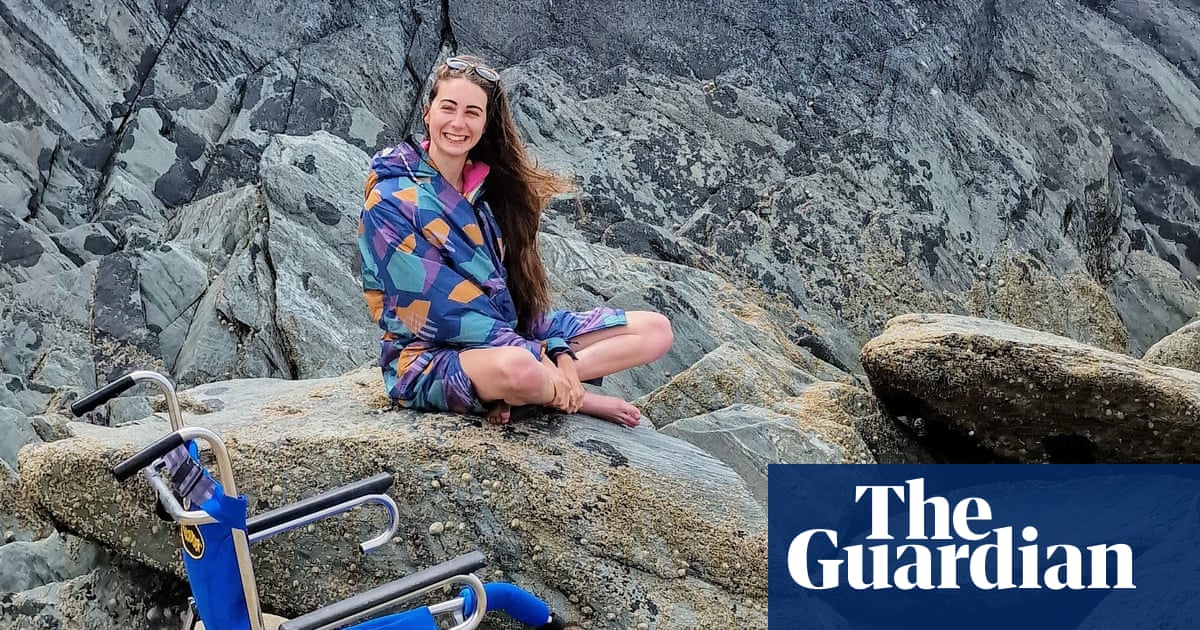
A year later, now a full‑time wheelchair user, she received a battered pink and yellow surfboard fitted with shower‑handle grips at the chest level – a gift Leon explained was part of his training as an adaptive surf coach.
With Leon’s help, she was carried to the sand at Bude, Cornwall, where Leon waded knee‑deep, placed her on the board, and guided her through the surf while her partner Harris steadied her legs for balance.
Despite messy, unpredictable waves, Leon paddled them toward a larger set‑up wave, shouting “Paddle, paddle, paddle!” The narrator used her arms to power through, feeling a brief surge of strength and joy as she rode the wave toward her waiting wheelchair.
The experience did not restore her previous surfing life, but it opened a new chapter; even after a handle fell off on a later outing, she continues to surf, clinging harder to the board’s grips.
She reflects that returning to the sea that shaped her childhood showed how adaptive equipment can remove barriers, and she credits her brother’s unexpected gift with giving her “radical hope” and a renewed connection to the ocean.