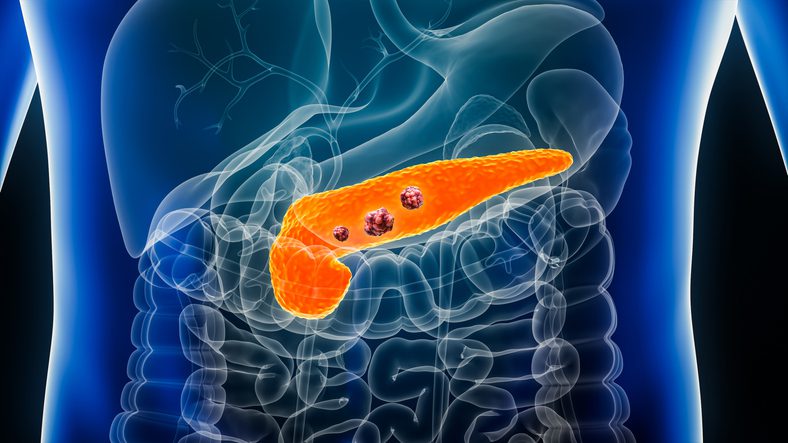
The collaboration aims to improve how new therapies for pancreatic cancer are evaluated and matched to the patients most likely to benefit, by linking molecular insights from real tumours to experimentally tractable 3D models.
Genialis will apply its Supermodel – a large‑scale molecular model trained on a curated transcriptomics dataset – to characterize patient tumours, while Inventia’s RASTRUM platform will bioprint reproducible 3D pancreatic cancer constructs in which tumor and stromal components can be independently controlled and perturbed.
In the study to be unveiled on Friday, Sept. 25, Genialis analysed 644 pancreatic cancer samples from the PanCAN SPARK “Know Your Tumor” cohort, identifying a subset of patients with poor prognosis based on the composition and activity of their tumor microenvironment. Those patient profiles were then mapped onto tumor‑fibroblast co‑culture models generated on RASTRUM, providing a laboratory system that mirrors the biology of high‑risk patients.
“This collaboration closes an important gap in drug discovery by connecting what we learn from patients with what we can test in the lab,” said Cameron Ferris, PhD, CEO and co‑founder of Inventia Life Sciences. “Genialis can identify clinically meaningful biological states in real tumors, while RASTRUM allows us to model and perturb those states at scale.”
Genialis CEO Rafael Rosenbarten, PhD, added, “Our pharma partners need to make critical decisions about which patients to enroll and which combinations to pursue, yet historically, whether a preclinical result would translate to patients often wasn’t clear until Phase II. Inventia gives us a model where we can test those hypotheses experimentally, while the Supermodel helps identify the patients most likely to benefit.”
The partnership is positioned to give drug developers a way to test therapeutic hypotheses in models that reflect the biology of the intended patient population, potentially shortening the time between preclinical discovery and clinical validation.