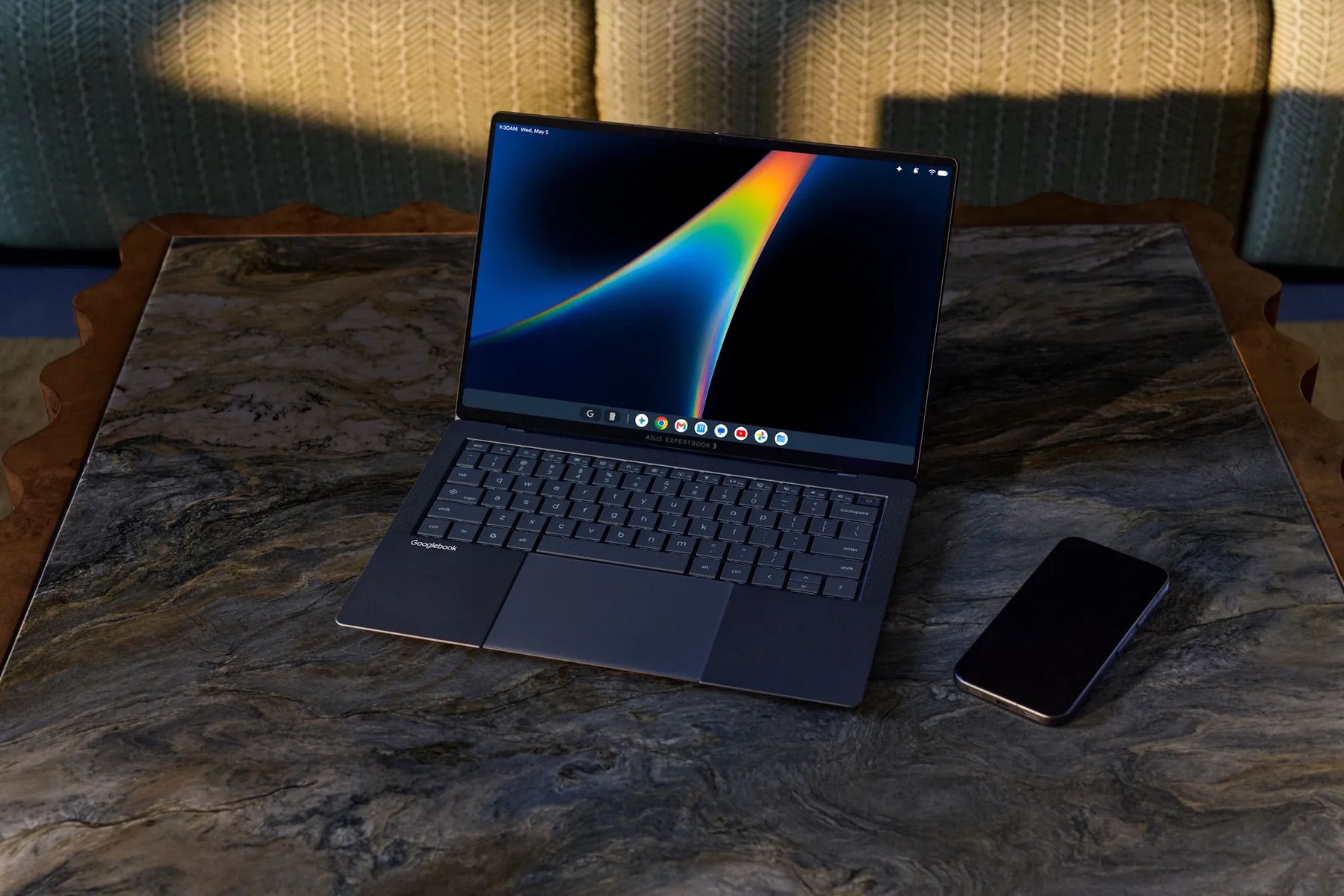
The new Googlebook line is marketed as a seamless companion to Android phones, allowing users to continue work started on a mobile app directly on the laptop while leveraging native Gemini AI tools for added productivity.
Google’s promotional materials highlight the devices’ ability to run millions of Android apps, but critics note that the laptops lack a full‑featured desktop operating system and rely on a modified Android environment, raising questions about compatibility with traditional desktop software.
Pricing has become a focal point of the discussion. While the base model starts at $899, several configurations exceed $1,000, a cost that some commentators compare unfavorably to competing devices such as the MacBook Neo, which begins at $699 and runs a conventional desktop OS.
Community feedback collected from Reddit and other forums reflects a split view. Some users, like a self‑described “Google whore,” wonder whether the premium price is justified given the availability of existing Chromebooks and Pixel devices. Others, such as a Lenovo Chromebook Plus owner, express interest in upgrading but remain skeptical about the lack of Windows or macOS alternatives.
A recurring theme in the comments is uncertainty over Linux support. Several commenters asked how powerful the chips are and whether the devices will eventually accommodate Linux GUI apps, a feature that could broaden the appeal to developers and power users.
Critics also questioned the market positioning, suggesting that limiting the hardware to Android users may narrow the customer base. One user likened the Googlebook to a “glorified Android tablet in laptop form,” while another warned that the product could be short‑lived if Google does not address software ecosystem gaps.
Google has not yet provided detailed specifications on processor performance or a roadmap for expanding app compatibility beyond the current Android‑centric approach. The company’s next steps are expected to involve further software updates and possibly broader developer support, though timelines remain unclear.