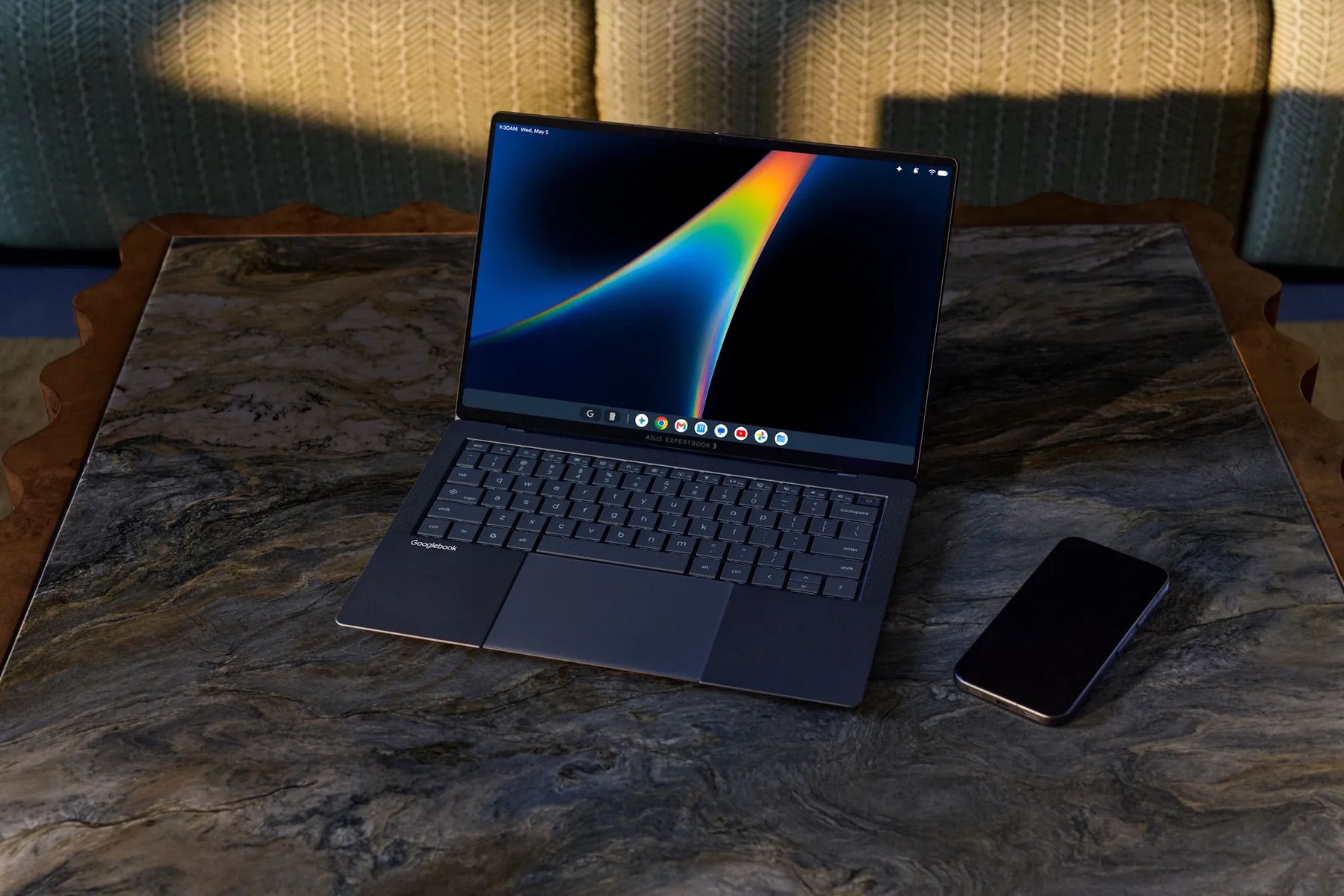
The new devices are marketed as seamless extensions of Android smartphones, allowing users to continue work started on a phone directly on the laptop while running natively alongside Google’s Gemini AI tools.
Googlebook’s design emphasizes tight integration with the Android ecosystem, promising quick app handoff and a clean user interface that mirrors the look of Google’s other hardware offerings.
Early online reaction has been mixed. While some commenters praised the concept of a tightly coupled Android‑laptop experience, many expressed concern over the premium pricing, noting that comparable devices such as the MacBook Neo start at $699.
Potential buyers also questioned the platform’s versatility, especially regarding support for Linux applications and the ability to run full‑featured desktop software. Several users on Reddit and other forums asked how powerful the internal chip is and whether developers will bring professional apps to the new OS.
Critics highlighted the limited app ecosystem, pointing out that the official product page lists only a handful of productivity apps—Adobe Acrobat, Dropbox and Microsoft Copilot—under the claim of supporting “millions of apps.”
Google has not yet detailed its roadmap for expanding software support, and some commentators warned that the Googlebook could be a short‑lived experiment if it fails to attract a broader user base beyond Android enthusiasts.