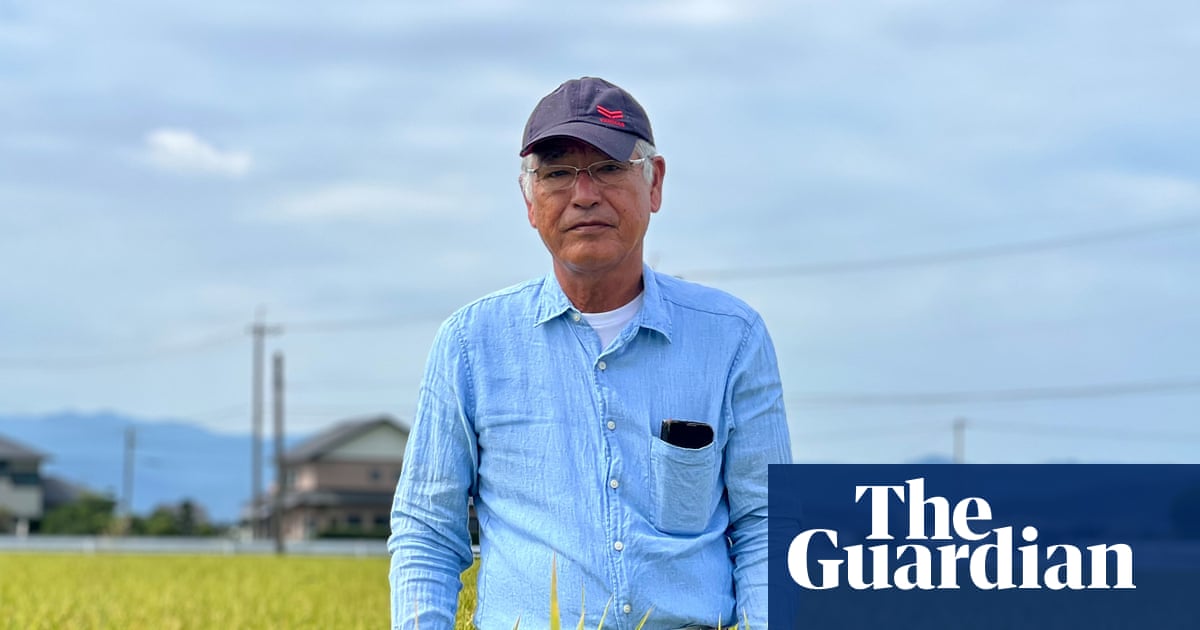
Kawasaki, who has tended rice for more than three decades, is preparing to bring in about 600 kg of hinatamaru – a plump, heat‑tolerant grain – after a summer that saw daytime temperatures regularly exceed 40 °C, prompting the meteorological agency to label such days “cruelly hot.”
Hinatamaru is the product of a 12‑year breeding programme that combined cross‑breeding of existing strains, controlled‑environment cultivation and field trials, culminating in successful large‑scale tests in 2024.
Saga prefecture now leads Japan in the adoption of heat‑tolerant rice, with almost 67 % of its rice acreage planted to such varieties; neighbouring Nagasaki follows at just under 50 % and Shimane at 47 %, while northern regions remain far behind.
The shift comes as Japan endures a climate emergency: three consecutive summers of record heat and below‑average rainfall have produced chalky, low‑quality grains that crack during polishing, and the El Niño forecast threatens to intensify extreme weather.
Greenpeace Japan warned that four iconic autumn crops, including rice and sweet potatoes, face severe risk from prolonged high temperatures, warning that “national food security becomes everyone’s crisis” if farmers run out of viable options.
The urgency is underscored by the 2023 heatwave that triggered the so‑called “Reiwa rice crisis” in 2024, forcing the government to release emergency stockpiles to curb shortages and price spikes.
With almost 70 % of Japan’s agricultural workforce aged 65 or older, the emergence of varieties like hinatamaru offers a lifeline for an aging sector that struggles to adapt to a warming climate.
Some of Kawasaki’s harvest will be offered for the annual rice‑offering ceremony at the Imperial Palace in Tokyo, a symbolic endorsement of the new strain’s taste and resilience as the nation looks to secure its staple food for the future.