Remake opens with a straightforward account of how Hollywood approached McElwee with the idea of a fictionalised remake of his 1985 solo‑camera road movie, Sherman’s March, which chronicled his return to South Carolina and his repeated romantic misadventures.
Sherman’s March, shot by McElwee alone, blended intimate footage of his family, old friends and his own voice‑over, establishing a template that the new film now turns back on itself, creating what reviewers describe as an artistic ouroboros – a snake eating its own tail.
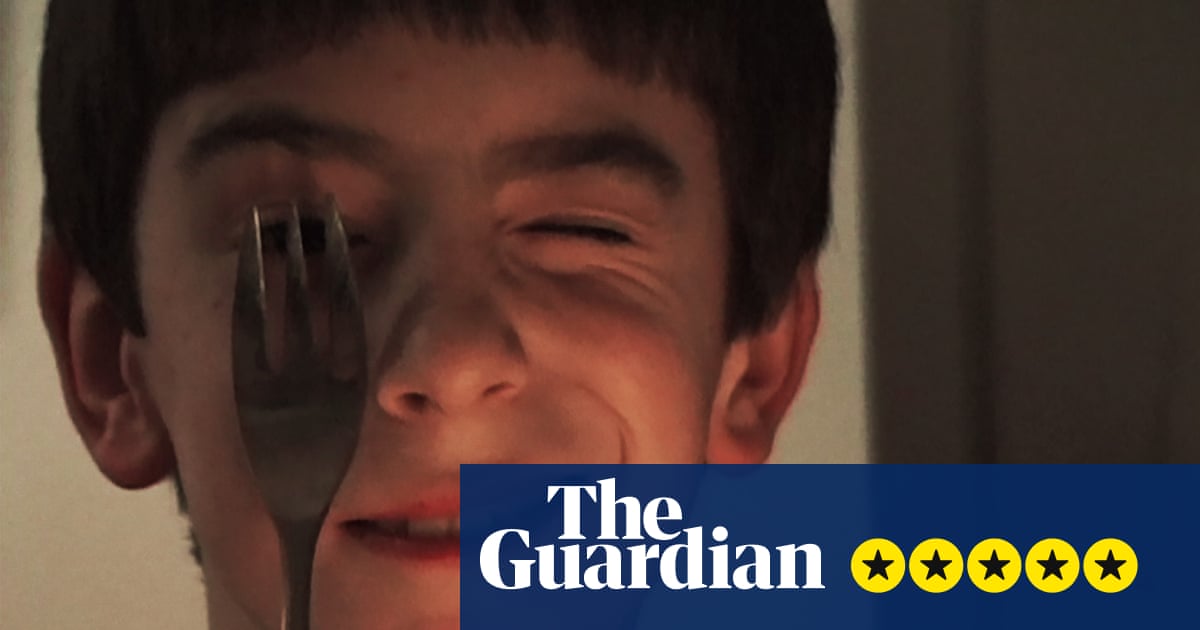
The new documentary expands the personal archive by weaving in home movies of Adrian from childhood – fishing off a pier, pretending to run a restaurant – and later clips Adrian made when he briefly pursued filmmaking of his own, even playing a younger version of his father in Sherman’s March.
McElwee’s family life after the 1985 film is also charted: a lasting partnership, the birth of his son Adrian, and the adoption of a baby girl from Paraguay. The narrative takes a darker turn when it reveals that Adrian, diagnosed with bipolar disorder, died as an adult only months ago, a loss that now haunts every frame of the new work.
Remake does not present Adrian’s death as a mystery; instead, it layers his aspirations, mental‑health struggles and the pressures of being constantly filmed to explore why the tragedy feels both senseless and inevitable within the family’s cinematic history.
Beyond the personal, the film reflects on broader questions of creativity, shame, love and loss, arguing that once subjects know they are being recorded, their behaviour becomes a performance, blurring the line between truth and artifice.
Critics note that McElwee’s self‑criticism of his own autobiographical technique makes Remake both a tribute to and a repudiation of the genre he helped define, offering a moving meditation for parents, filmmakers and anyone grappling with the complexities of documenting real life.