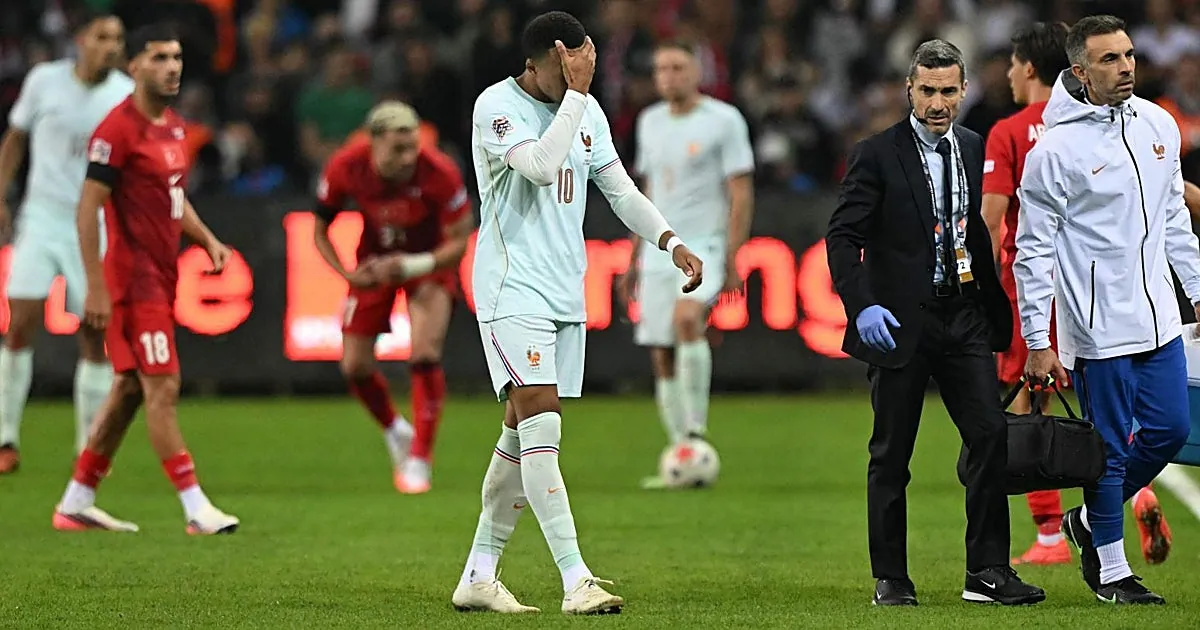
Players returned to their clubs after a combined 16-day international window with very different workloads. ABC counted at least 60 reports of health problems among players from Europe’s five major leagues, while those who stayed home had more time to recover and train.
National teams could play up to four matches during the September 21–October 6 window. FIFA introduced the 16-day format in its 2026 calendar by combining the September and October breaks. Spain coach Luis de la Fuente called the schedule excessive and said the previous format better protected player health.
ABC counted at least 60 reports of physical problems among players from the five major leagues while they were on international duty: 16 in the Premier League, 14 in Serie A, 13 in LaLiga, nine in Ligue 1 and eight in the Bundesliga. The newspaper noted that the total did not mean 60 serious injuries. In some cases, clubs were cautious to avoid worsening symptoms.
For players who had several matches and long journeys, the combination of heavy workloads and limited recovery can raise risk. An 11-season UEFA study found 32% more muscle injuries in domestic league matches after four or fewer days of rest than after six or more days.
Fitness coach Luis Casais told ABC that travel, minutes played and accumulated fatigue matter alongside the number of games. Spain set a limit of 270 minutes per player. Only Lamine Yamal exceeded it, with 281 minutes excluding stoppage time.
Players who rarely feature for their clubs may, by contrast, return from international duty with more match sharpness. Those who stayed home had nearly three weeks to recover, reduce their training load and work on fitness. Total inactivity is not ideal either: clubs kept up training and scheduled friendlies to preserve players’ condition.