
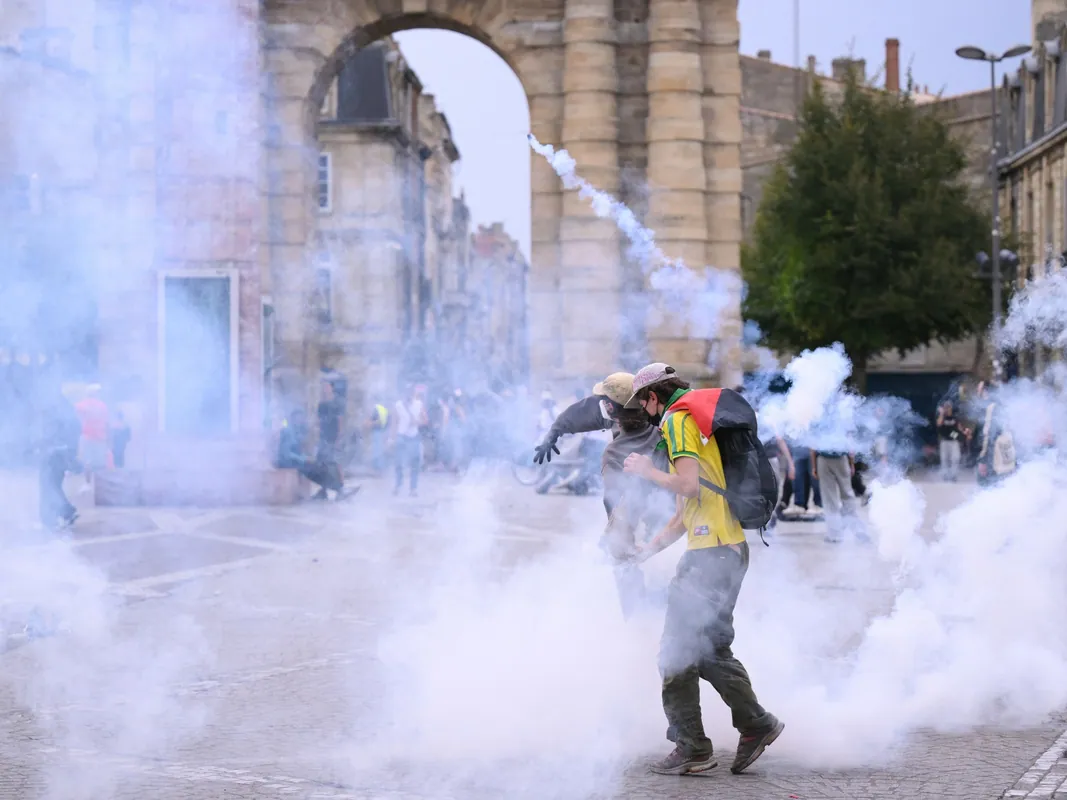
Students, teachers and parents demonstrated across France over staffing shortages and deteriorating schools as the government prepares its 2027 budget.
Students, teachers and parents staged demonstrations across France, with protesters blocking entrances to hundreds of schools. The Associated Press reported that more than 250,000 people rallied nationwide. Reuters described October 6 as the largest day of action in a protest wave over teacher shortages and ageing school buildings.
Students complain of vacant posts, absent teachers without replacements, overcrowded classrooms and long school days. Education Minister Édouard Geffray said 400 to 500 high schools had suspended classes fully or in part the previous day because of safety concerns, according to AFP. Demonstrations spread from the Paris suburbs to Marseille, Lyon, Nantes and Strasbourg, with unions and families joining.
France’s Interior Ministry had previously reported 6,100 arrests since the protests began, most involving minors. A later AP report put the total above 6,500, reflecting an Some schools moved to remote learning.
The dispute over education is unfolding as Prime Minister Sébastien Lecornu’s government tries to reduce the budget deficit and contain borrowing costs. Al Jazeera cited French statistics showing public debt at €3.596 trillion, or 119% of GDP, at the end of the second quarter. Reuters reported that the yield on French 10-year bonds briefly topped 5% last week, its highest level in 24 years.
The proposed 2027 education budget allocates €64 billion excluding pension contributions. It also provides for a net reduction of 1,588 full-time teaching posts, following a cut of 4,000 in the original 2026 budget. The Budget Ministry attributes the reduction to a forecast that pupil numbers will fall by about 180,000 by the start of the 2027-28 school year. Other staffing categories, including support workers and trainee teachers, are set to grow.
The government has asked ministers to propose measures to cover teacher absences, review timetables and repair school buildings by the end of October. It also wants priorities for adapting buildings to extreme heat. Separately, a consultation on the Agora platform will allow high-school students to describe everyday problems and suggest changes anonymously until October 23.
Teachers and families say long vacancies in core subjects can leave classes without instruction and widen learning gaps. Economist Camille Sari, quoted by Al Jazeera, links the pressures to public finances, working conditions and regional differences. His analysis is an expert opinion; the government has also cited demographic forecasts to explain staffing changes.
Figures from the OECD cited in the report show that 26.6% of lower-secondary teachers in France are satisfied with their pay, compared with an OECD average of 38.7%. The government must now reconcile budget measures with demands for more teachers, better buildings and improved learning conditions, amid a divided parliament.