New data point to weaker snack sales and greater interest in protein-rich foods, although total spending by users may not fall.
GLP-1 medicines, including semaglutide, may gradually reshape what German shoppers put in their grocery baskets. The drugs reduce appetite and increase feelings of fullness. Their impact on the overall market remains small for now, but retailers and manufacturers are watching demand for signs of change.
A YouGov study found that about 1.7 million households with at least one GLP-1 user reduced purchase volumes more than households without users over a year. Analysts estimated a possible annual sales decline of about €325 million for Germany’s grocery trade, roughly 0.16% of the broader fast-moving consumer goods market. Boston Consulting Group, however, found that users do not necessarily spend less on food overall. Instead, the mix of products in their baskets changes.
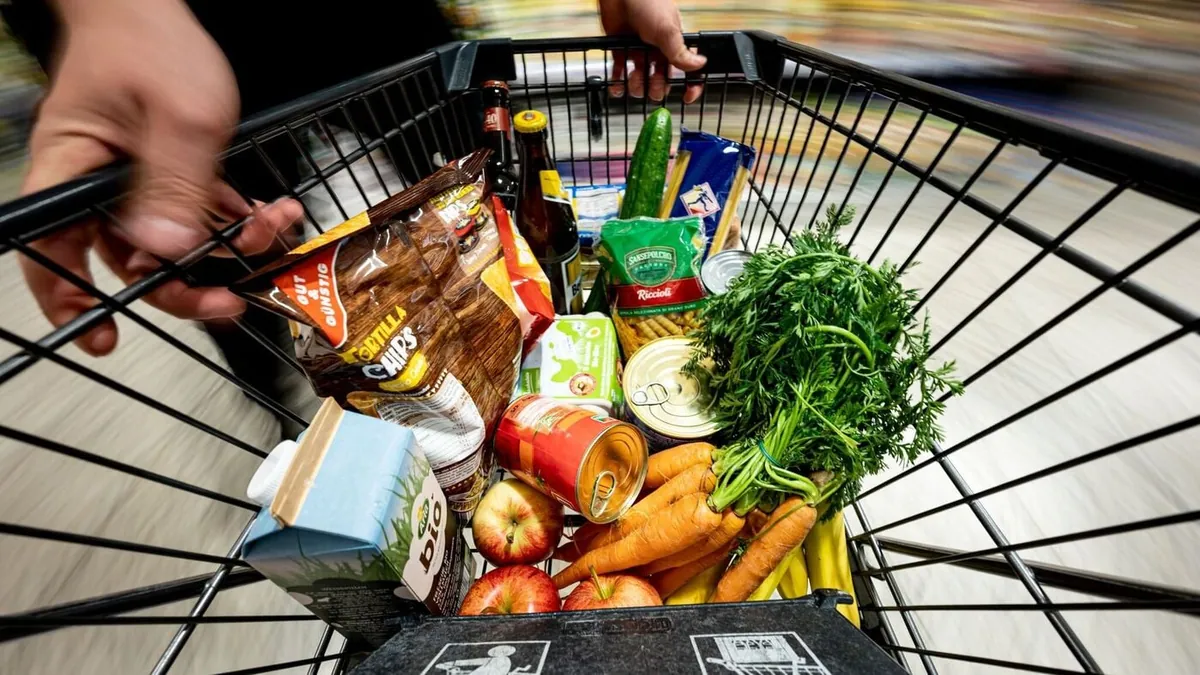
Chips, sweets and soft drinks are among the categories facing weaker demand. In the United States, GLP-1 users spent 15% more on fruit and vegetables and 11% more on high-protein foods, according to BCG. In Germany, dairy company Arla said first-half sales of cottage cheese rose by more than 40%, while Skyr sales increased by 62%.
More treatment options could widen the trend. Semaglutide is expected to become available in German pharmacies in tablet form this autumn. Among households interested in treatment, 48% said a pill would make them more likely to start. Analysts say GLP-1 use may accelerate existing shifts toward smaller portions and functional foods, even if it does not create wholly new consumer needs.