
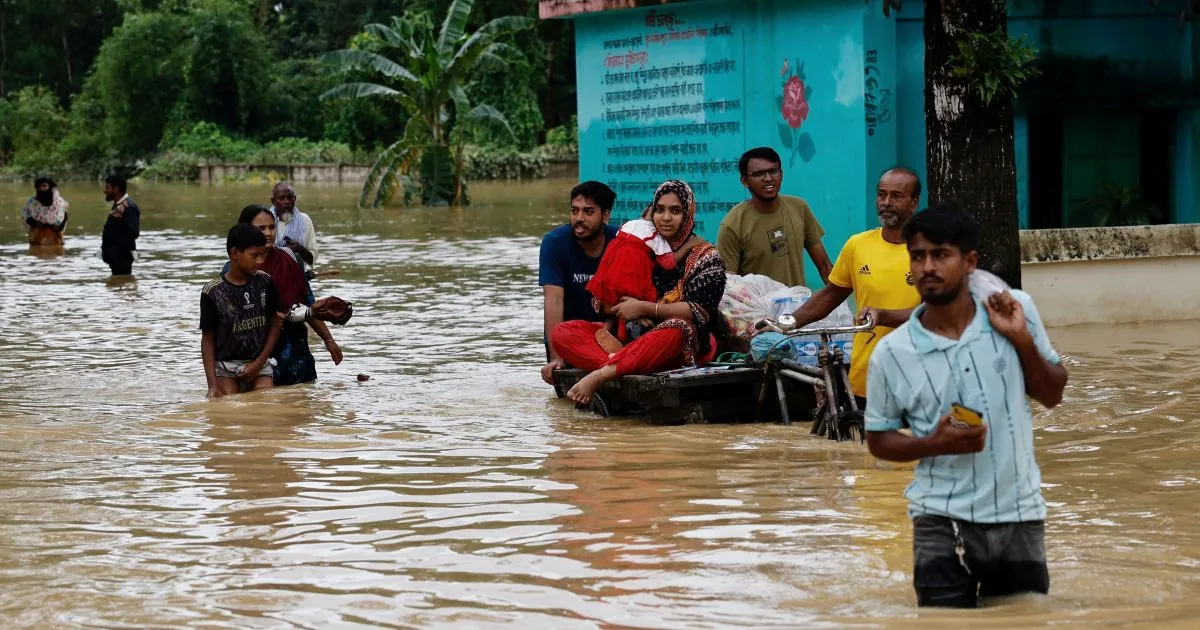
A survey of 5,000 girls and young women in five countries found that climate disasters disrupt education and health care and are associated with greater risks of violence and early marriage.
Plan International has published its 2026 State of the World’s Girls report on how floods, droughts and extreme heat affect the rights, health and safety of girls and young women. The study draws on a survey of 5,000 respondents aged 15 to 24 in Bangladesh, Kenya, Peru, Senegal and Zimbabwe, interviews with 139 young women, and an analysis of data from 52 countries over three decades.
Nine in 10 respondents said climate events placed serious pressure on their families’ well-being and stability. Seventy-six percent said girls and young women in their communities had difficulty accessing at least one sexual or reproductive health service. Half also reported difficulties obtaining menstrual products or clean water.
More than a third of respondents had seen an increase in marriages or unions involving girls under 18, while 33% reported more unintended pregnancies. Twenty-eight percent observed increased violence against women and girls after climate-related disasters. In drought-affected areas, 60% reported an increase in child marriage.
The report says disasters disrupt schools, health facilities and protection systems. Closed roads and clinics make care harder to reach, while the loss of family income can force girls to leave school or enter an early marriage. The study associates interrupted education with a higher likelihood of marriage before 18 or an unintended pregnancy.
Plan International calls for schools to remain safely open during emergencies, for contraception and menstrual products to be included in disaster response plans, and for stronger social support for families. The organization says sustained access to education and health care can reduce risks facing girls after climate shocks.