The newsletter turns Galeria Kaufhof’s insolvency into a metaphor for the loss of shared civic spaces, while an interview from Delhi explores Europe and India’s search for new partners.
Tagesspiegel’s editorial introduction draws a parallel between Galeria Kaufhof’s fourth insolvency filing in six years and the weakening of Germany’s broad-based mainstream parties. Both the department store and the Volkspartei once brought different parts of society under one roof. Now shoppers migrate to online retail, while political preferences are shaped by personalised feeds and chat groups.
The writer sees more than convenience in this shift. Algorithms reinforce views people already hold, and choosing a party increasingly resembles selecting individual propositions in Germany’s Wahl-O-Mat voting guide. Compromise loses appeal as citizens encounter fewer competing interests. Galeria Kaufhof, however, is still operating despite another insolvency proceeding.
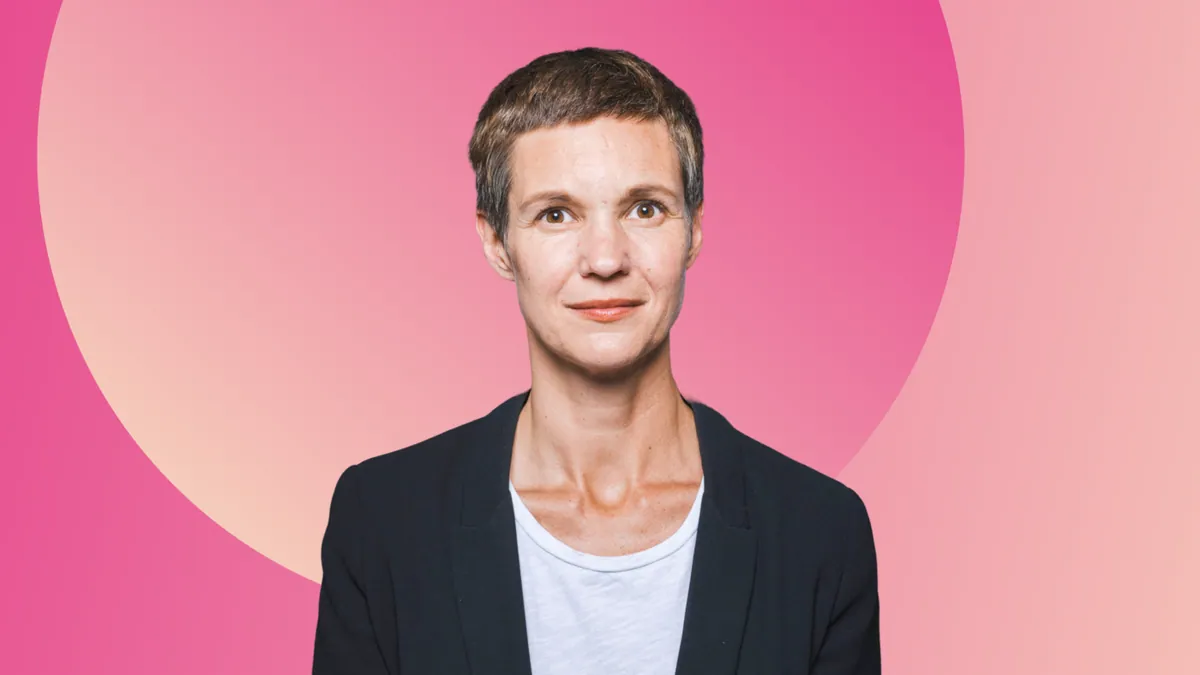
The newsletter also carries an interview from New Delhi with Anja Wehler-Schöck, a member of Tagesspiegel’s extended editorial leadership. She is attending the Munich Leaders Meeting, organised by the Munich Security Conference, and discusses India’s role and international ties. A country of more than 1.4 billion people, with nuclear weapons and a wide network of partnerships, matters to Europe for far more than its familiar cuisine, she says.
Wehler-Schöck says Indian media are celebrating Flydubai pilot Smit Machchhar and that Prime Minister Narendra Modi told him he could call for help at any time. She wanted to underline how one person’s decisive actions can make a difference. She also spoke with Foreign Minister Subrahmanyam Jaishankar and Finance Minister Nirmala Sitharaman about the EU-India free-trade agreement agreed in February 2026. Jaishankar called it a “gamechanger”. Sitharaman presented it as evidence that reliable partnerships matter amid uncertainty over Donald Trump’s policies. The EU and India together represent about a quarter of global economic output and population, and both want to reduce dependence on the United States and China.
A brief roundup covers several other subjects. Flavio Bolsonaro, son of former Brazilian president Jair Bolsonaro, won a runoff against incumbent Luiz Inácio Lula da Silva. Germany’s government plans to introduce a plastics tax on July 1, 2027. The newsletter notes the first session of the state parliament in Magdeburg and the AfD under Ulrich Siegmund, a warning from the BND chief about possible armed conflict between Germany and Russia, and the question of whether Vladimir Putin will try to force an end to the war in winter.
The culture section recommends the BBC series The Paradise, based on Émile Zola’s 1884 novel The Ladies’ Paradise and available on Arte. Another feature considers how liars use language, including a claim that people who deceive may avoid the word “I”. Reader Sigrid Z. asks whether the paper gives too little attention to pensioners facing progressive taxation, rising health and transport costs and stagnant wages. The editors reply that pensioners are the largest voting group and ask readers which subjects they believe are missing.
The newsletter closes with the announcement of the Nobel Prize in Medicine, awarded to two German researchers and an American scientist who heard the news while preparing to go to bed early so he could pack lunch for his children the next morning.