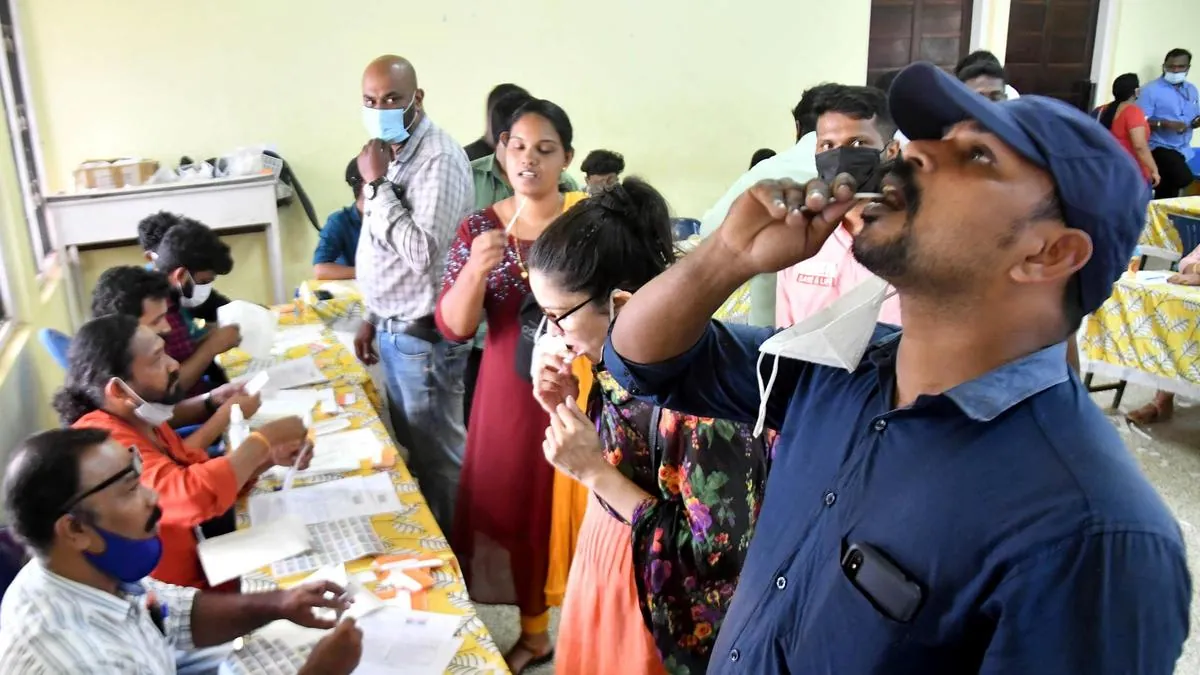
Donor registries help transplant teams search for unrelated stem-cell donors when a patient has no suitable family match. The search focuses on human leukocyte antigen (HLA) compatibility, and registering does not by itself mean a person will be asked to donate.
People with leukaemia, lymphoma, thalassaemia and aplastic anaemia may need a blood-forming stem-cell transplant. Haematologists say only about 25% to 30% of patients have a fully HLA-matched sibling donor. When no suitable relative is available, transplant teams can search national and international registries.
A registry stores a volunteer’s HLA profile, usually identified from a cheek swab. HLA markers help the immune system distinguish the body’s own cells from foreign cells and are inherited. Blood group alone does not determine a suitable match. If a registry search identifies a possible donor, the person is contacted for further testing and a medical assessment, then decides whether to proceed.
Stem cells are often collected from the bloodstream through a process similar to platelet donation. In some cases, they are collected directly from bone marrow. Doctors stress that registration is not donation and a potential donor may be contacted months or years later, so the decision should be informed.
The World Marrow Donor Association lists five donor registries in India, including DATRI, DKMS Foundation India, MDRI, GeneBandhu and the Arjan Vir Foundation. Their databases connect to international networks. Specialists say both the size of a registry and the representation of different regions and communities matter, because genetic diversity can affect the chances of finding a compatible donor.