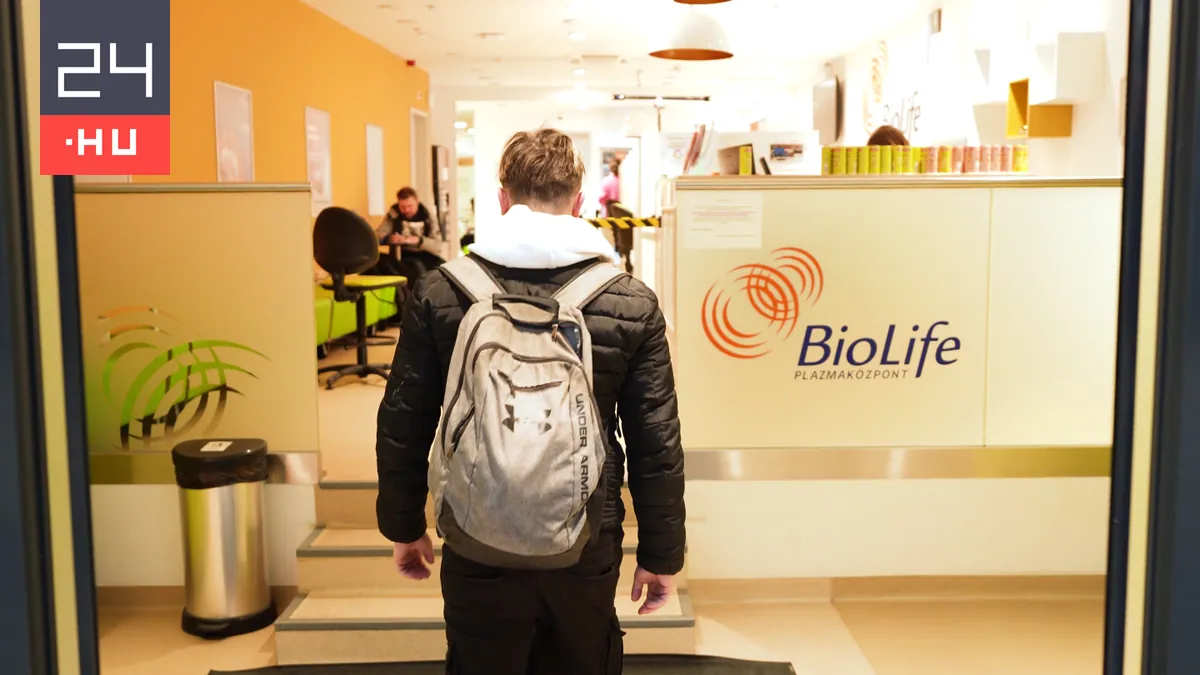
Donated plasma supplies proteins used in treatments for immune deficiencies, clotting disorders and some urgent medical conditions.
Human blood plasma is the liquid part of blood and contains proteins that are important for immune function and clotting. These proteins cannot currently be replaced with artificially produced substances, so plasma from donors remains essential. Millions of people around the world need plasma-derived medicines, and some patients rely on them regularly for life.
Immunoglobulins made from plasma contain antibodies that help the body fight infections. They are used for certain inherited or acquired immune deficiencies, when the body's defences do not work properly and infections may become more serious. Some patients need long-term replacement therapy. It can help prevent infections and enable people to study, work and participate in community life.
Plasma-derived clotting factors are used for some coagulation disorders. When a necessary protein is missing or does not function correctly, bleeding may continue for longer and can occur internally. Recombinant and other modern treatments are available, but medicines made from plasma remain important for some patients.
Plasma products can also be used in emergency and surgical care. Albumin may be used in certain serious conditions to restore circulating blood volume, and clotting factors may help treat severe bleeding. Tissue adhesives containing plasma-derived fibrin are used during operations to help stop bleeding and join tissue.
Before it becomes medicine, plasma undergoes complex processing. It is checked for quality, then proteins are separated and used to make different therapies. A reliable supply of suitable donated plasma is therefore needed. Donors are assessed before each donation, and people who donate regularly receive laboratory tests at set intervals. These checks protect donor safety and can provide some health information, but they do not replace routine medical visits, screening or specialist care.
International Plasma Donor Week 2026 runs from October 5 to 9. Its message is that the work begins after the donor leaves the chair: plasma must be screened and processed before it can become medicine for patients who need ongoing treatment.