
The AfD has secured the speakership of Saxony-Anhalt’s parliament, while national polls show rising support for the party and widespread dissatisfaction with Chancellor Friedrich Merz. A separate YouGov poll found that some Germans regard former Chancellor Angela Merkel as better equipped to handle current problems.
Representatives of the Alternative for Germany (AfD) have secured the speakership of Saxony-Anhalt’s state parliament, while polls show the party ahead of the CDU/CSU bloc nationally. Against that backdrop, some Germans say former Chancellor Angela Merkel would handle the country’s problems better than current Chancellor Friedrich Merz. Al Jazeera discussed these developments; key details are corroborated by the Associated Press, parliamentary reporting, YouGov and German outlets.
After the AfD won Saxony-Anhalt’s regional election in September, the state parliament held its first sitting on October 6. The Associated Press reported that lawmakers elected AfD representative Tobias Rausch speaker of the 83-seat legislature. Le Monde had earlier said the post was expected to go to a far-right party for the first time in the history of the Federal Republic. The state’s next minister-president was expected to be chosen later, in November or December.
An INSA poll for Bild, published in early October, put AfD support at 30% and the CDU/CSU bloc at 18%. WirtschaftsWoche also reported those figures. ZDF’s Politbarometer separately found widespread dissatisfaction with Merz: 79% of respondents thought he was doing a poor job as chancellor, and the same share were dissatisfied with the federal government overall.
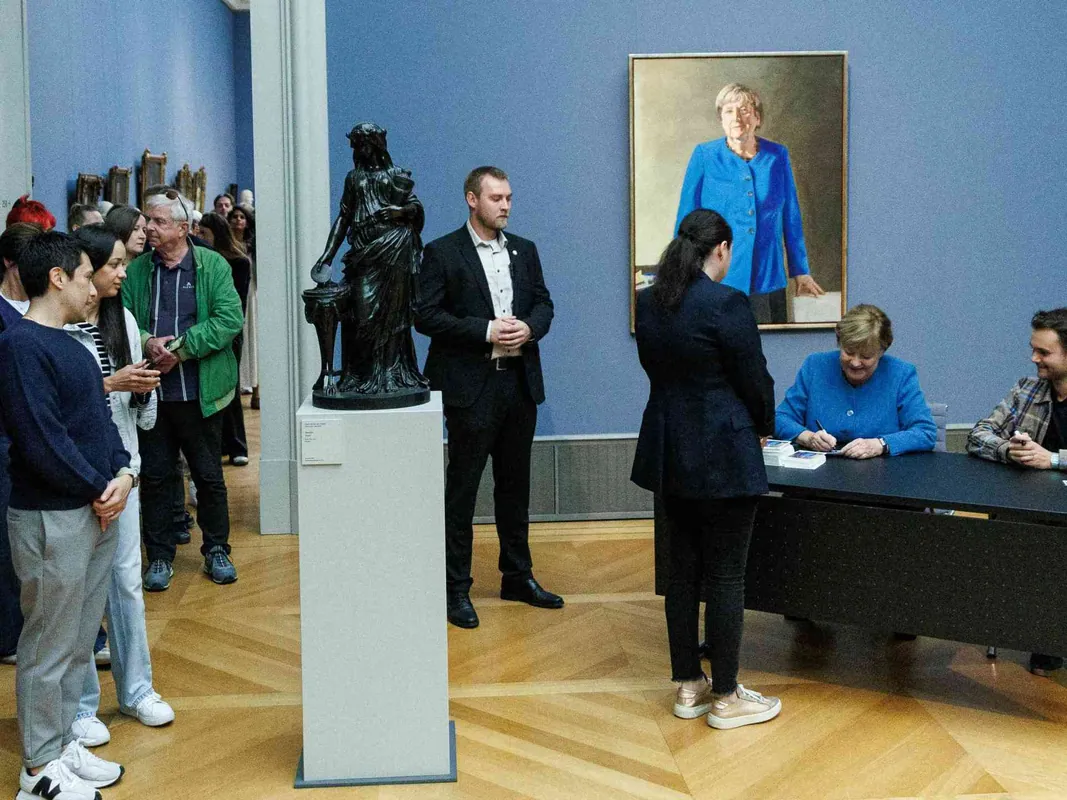
A YouGov poll conducted on October 2 asked whether Merkel or Merz would be better at handling Germany’s current problems. Forty-eight percent chose Merkel, 8% Merz, 29% considered them equally capable, and 15% were unsure. This measures public opinion; it is not a forecast of Merkel’s return. She has retired from politics and has not said she intends to seek office again.
The political context highlights the difference between the AfD’s symbolic gain in a state parliament and its absence from federal government. At the same time, polls record falling support for the CDU/CSU and dissatisfaction with the federal cabinet. Al Jazeera’s analysis linked comparisons with Merkel to a perception of greater stability during her time in office, but polling alone does not establish why voters’ views have shifted.