Sydney small businesses turn to cash and card minimums after surcharge ban

Sydney small-business owners are encouraging cash payments and introducing minimum card purchases after card surcharges ended on October 1. In fresh interviews on October 10, traders described costs they must now cover without charging customers a separate payment fee.
La Botte Doro owner Gabrielle Franco put up a sign encouraging cash payments. He estimated additional annual costs of A$12,000–A$16,000 if he absorbed card-processing charges. Franco said he could not raise prices and declared all income to the Australian Taxation Office. He described possible supplier delivery-price increases as a concern, rather than an established consequence of the reform.
Cranes Newsagency owner Geoffrey Ji introduced an A$10 EFTPOS minimum, a minimum A$35 Opal top-up and stopped accepting credit cards from October 1. He estimated losses of around A$3,000 a month if operations continued unchanged. He said the shop earned around 20 cents from a newspaper sale, making fees particularly significant on small purchases.
The Reserve Bank of Australia considered removing surcharges to be in the public interest. Consumers were expected to save around A$1.6 billion annually. Economists have nevertheless warned that some businesses may incorporate electronic-payment costs into ordinary prices. That projection should be distinguished from inflation already measured.
The reform lowered the interchange cap on domestic consumer credit-card transactions from 0.8% to 0.3%. That cap does not represent a merchant’s entire card-acceptance cost. The Australian Banking Association said costs could persist because of fees from other participants, including Visa, Mastercard, Square and Tyro, even where banks reduced their share.
A separate dispute followed ATO’s decision to stop accepting credit cards directly. After business objections, the government announced on October 9 that acceptance would continue until June 30, 2027. Credit-card payments through third parties would remain possible afterward, alongside transfers and debit cards. That deadline is more precise than the initial description of a year-long delay.
Alkalizer Café owner Shefali Pall welcomed the delay but regarded it as temporary. She said credit cards helped manage cash flow when facing a tax bill of A$30,000–A$50,000. In her view, businesses needed payment flexibility.
Minister Chris Bowen said on October 10 that lower fees and no surcharges would ultimately benefit Australians, including small businesses. Business NSW executive director Paul Nicolaou instead highlighted rising expenses and administrative burdens, citing 14,000 companies entering external administration in the previous financial year. That figure describes broader business conditions and does not establish the consequences of the new reform.

Dodik seeks renewed talks on gas pipeline from Serbia
Latest news

Ilteriakova and Borisova remain in RUSADA's registered testing pool
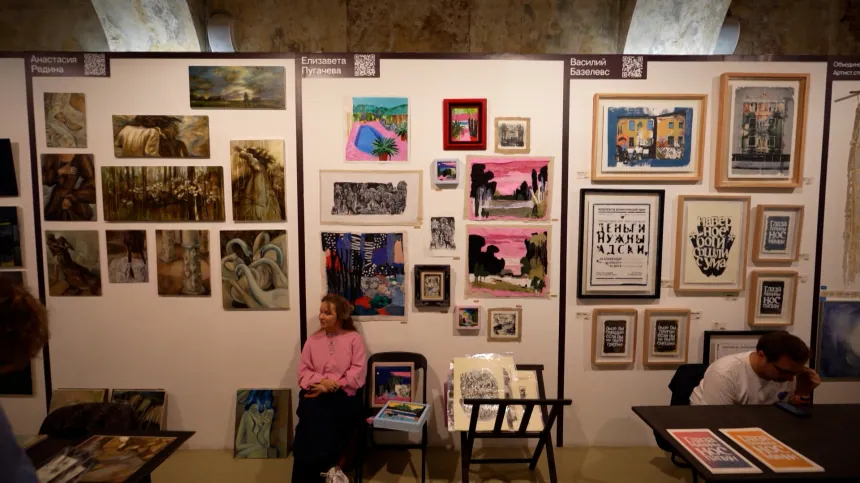
WIN-WIN fair brings new participants and tactile works to Winzavod

Nikolai Tikhonov picks Apollo 13 as most authentic space film

Flydubai attack inquiry puts accused co-pilot's Melbourne years under scrutiny