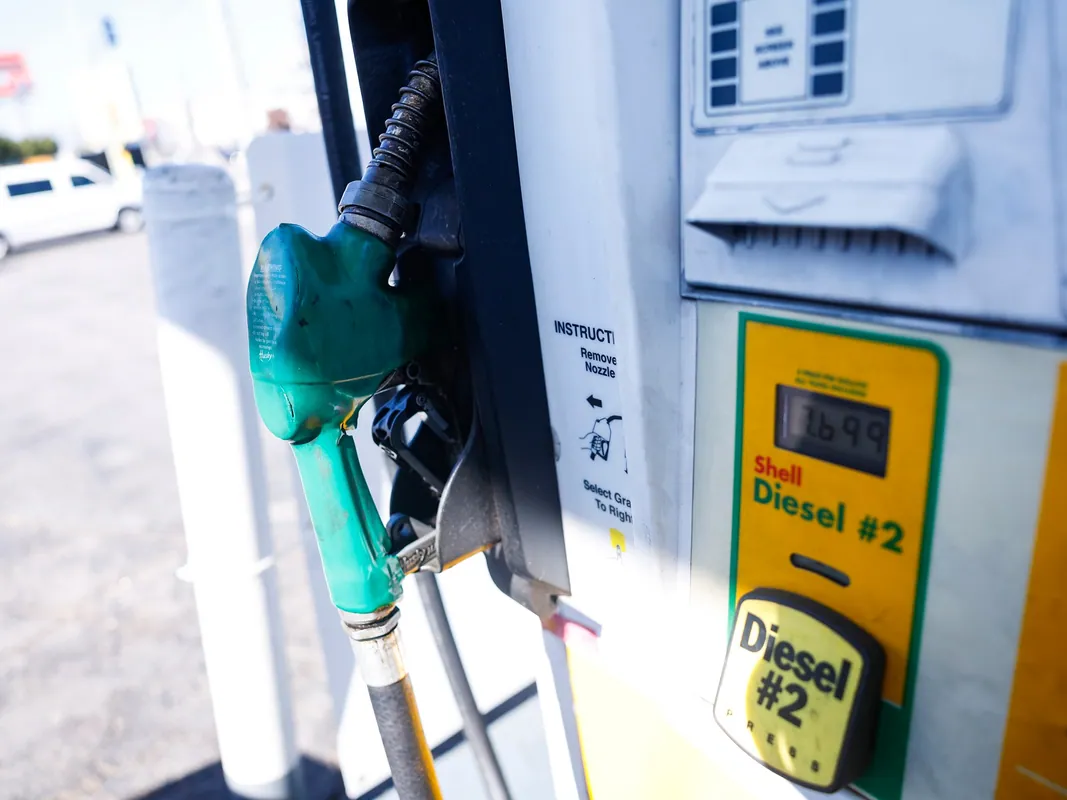
Supply disruptions and limited refinery capacity have driven diesel prices higher. G7 countries agreed to release 100 million barrels of oil and fuel, but analysts say stockpiles cannot fix the structural bottleneck.
The main strain in the global market is a shortage of accessible diesel and other refined fuels, rather than a comparable lack of crude oil. Al Jazeera’s analysis points to disrupted Gulf flows, lower Russian exports after refinery damage and limits on Chinese fuel shipments, at a time when many Western refineries are already running at high rates.
Chinese independent refiners have increased purchases of Iraqi and Qatari crude to replace falling Iranian supplies, Reuters reported. Traders told the agency the buyers had secured at least 12 million barrels. Reuters has also reported a decline in Iranian deliveries to China. The shifts illustrate how a supply disruption can redirect trade and raise costs, though additional crude does not immediately translate into more diesel.
Higher fuel prices feed into freight costs. On October 2, the Associated Press reported, G7 countries agreed to release 100 million barrels of crude oil and petroleum products over four months, including a substantial early release of diesel within the first 20 days. AP linked the move to a sharp rise in US fuel prices. Le Monde also reported the agreement, which is to be coordinated through the International Energy Agency.
Diesel is central to freight transport, farming, construction and some power generation. A shortage can therefore raise the cost of moving crops and running machinery, with potential knock-on effects for food and other goods. Experts quoted by Al Jazeera said industries built around diesel equipment cannot switch quickly to electricity or gas.
Releasing reserves may ease the immediate price pressure, but it does not create lasting refining capacity. Al Jazeera cited an estimate that refining capacity in Europe and several neighbouring countries fell from 17.5 million barrels a day in 2009 to 14.4 million today, with about 30 of roughly 100 European refineries closed or converted. That points to long-term import dependence, although it does not by itself explain the current price spike.
Analysts quoted by Al Jazeera argue that a longer-term response could combine investment in refining with measures to reduce diesel dependence, including energy efficiency and electrification where practical. Near-term effects will depend on delivery schedules, regional conditions and whether refineries can increase output.