The turning point came when the author, a sedentary office employee, almost tripped over an untied shoelace on a crowded high street and felt a sharp pain in the lower back. The incident highlighted a loss of core strength and flexibility after years of desk work and evenings spent on the sofa.
A quick online search pointed to Pilates – a “mind‑body” discipline invented by German boxer Joseph Pilates during World War I. The practice, originally popular with ballerinas in 1920s New York, is now credited with improving flexibility, core stability and injury recovery, making it attractive to people like the author who suffer from shoulder pain.
The UK Pilates and yoga market is now estimated at £1.1 billion, according to recent industry reports. While traditionally dominated by women, the sector is seeing a surge of male enrolments. The Wall Street Journal noted that “gym bros are going to Pilates,” and celebrities such as LeBron James, Cristiano Ronaldo and Harry Styles have publicly praised the method.
In south‑London, Hernan Castro‑Vidal, who runs the Pilates Nutrition studio, reports that 12 of his 15 private‑class clients are men, many drawn by celebrity influence. He says men often start with one‑to‑one sessions before joining larger groups, citing a preference for the personalised attention that small classes provide.
The author’s first experience was a reformer class at a local gym, where about half the participants were men. The reformer machine, with its straps and springs, guided the movements but still demanded balance and core engagement. The instructor repeatedly corrected form, especially during demanding exercises such as the “hundred” and leg circles, leaving the author pleading for the class to end after twenty minutes.
A week later, a private session with Castro‑Vidal proved transformative. With the instructor’s hands on the author’s stomach to ensure proper core activation, the same exercises felt less brutal and the author noted reduced shoulder pain by the end of the class.
The shift from group to private instruction reflects a broader industry trend. Protectivity, a business‑insurance provider, recorded a 900 % increase in applications from reformer instructors between 2024 and 2025, underscoring the rapid growth of qualified teachers to meet demand.
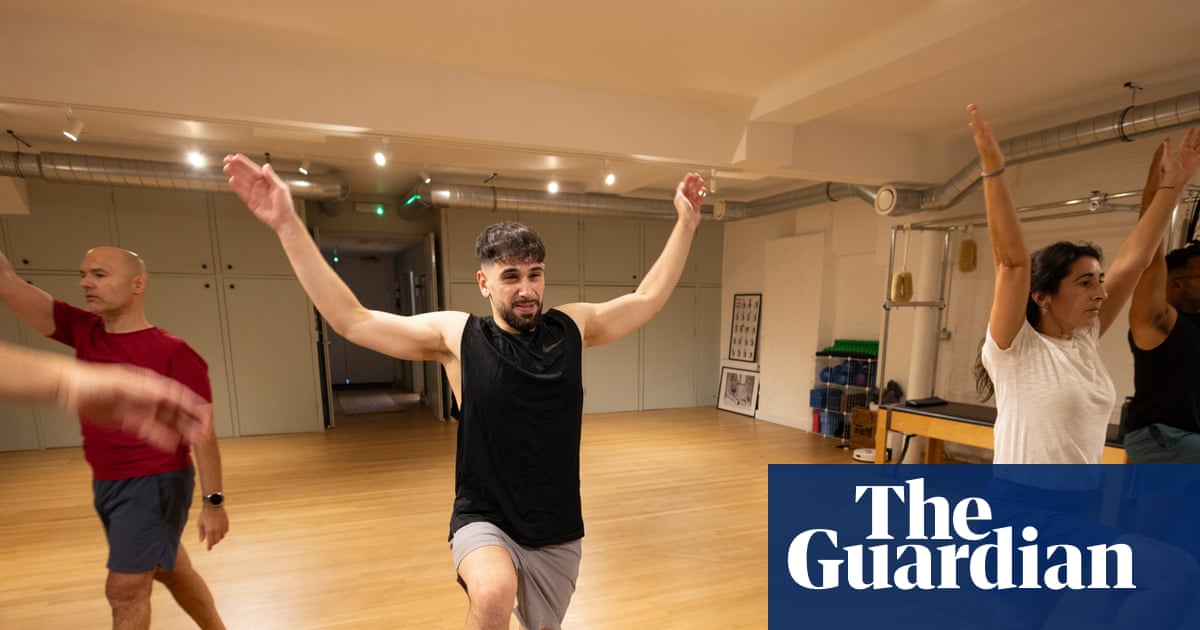
The author also tried mat Pilates, which lacks the machine’s assistance. Instructor Stephanie Tam of Third Space explained that mat work is the original form of Pilates and is now attracting more men, who often underestimate its difficulty. The author found the mat class more physically taxing, confirming the instructor’s claim that mat Pilates tests balance and strength more directly.
After four weeks, the author reports a firmer stomach, improved ability to touch the toes without toppling, and less shoulder discomfort. While not a “magic bullet,” the routine has delivered measurable gains in core stability and posture, echoing the experiences of other male participants such as 43‑year‑old GP Divanka Wijendra, who switched from high‑intensity interval training to Pilates and now enjoys stronger core and better flexibility.
The personal narrative underscores a wider cultural shift: men are increasingly embracing a discipline once stereotyped as feminine, driven by celebrity endorsement, social‑media visibility and a desire for low‑impact yet effective conditioning. As the market expands, the balance of gender in Pilates studios is likely to continue evolving.