The projection, based on peer‑reviewed methods that link monthly temperature rises to excess mortality across 24,378 global regions, covers the period from September 2026 to February 2027, with elevated risk expected to linger until June or July 2027.
The toll will be felt across continents, with tropical nations such as Nigeria, Indonesia, Sudan, India and Brazil identified as the most vulnerable. The United States ranks among the top‑20 most affected countries, with an estimated 3,500 extra heat‑related deaths, while the Sahel region of Africa and Southeast Asia also face severe risk.
Researchers say the forecast points to a range of life‑saving interventions, including more accurate heat‑wave forecasts, the establishment of cooling centres, bolstered staffing of medical facilities during peak heat, and stronger protections for outdoor workers.
The El Niño currently heating the planet has already broken the highest temperature record ever recorded for the phenomenon, several months before its expected peak. Scientists have described the event as “mind‑blowing” and “Godzilla‑level”, noting that while El Niños are natural, their intensity is amplified by a warming, human‑influenced climate.
“The estimate of 451,000 people is such a large number that it can be numbing, but it is made up of parents and children, grandparents and neighbours, people going to work, caring for families, and living their lives,” said Prof. Michael Greenstone, co‑founder of the Climate Impact Lab and co‑author of the report.
Co‑author Dr. Tamma Carleton of the University of California, Berkeley added, “Increasing emergency response and better targeting our efforts can save many lives this year. But 20 years from now, once today’s extreme temperatures become the new normal, we don’t want to be in a constant state of emergency.”
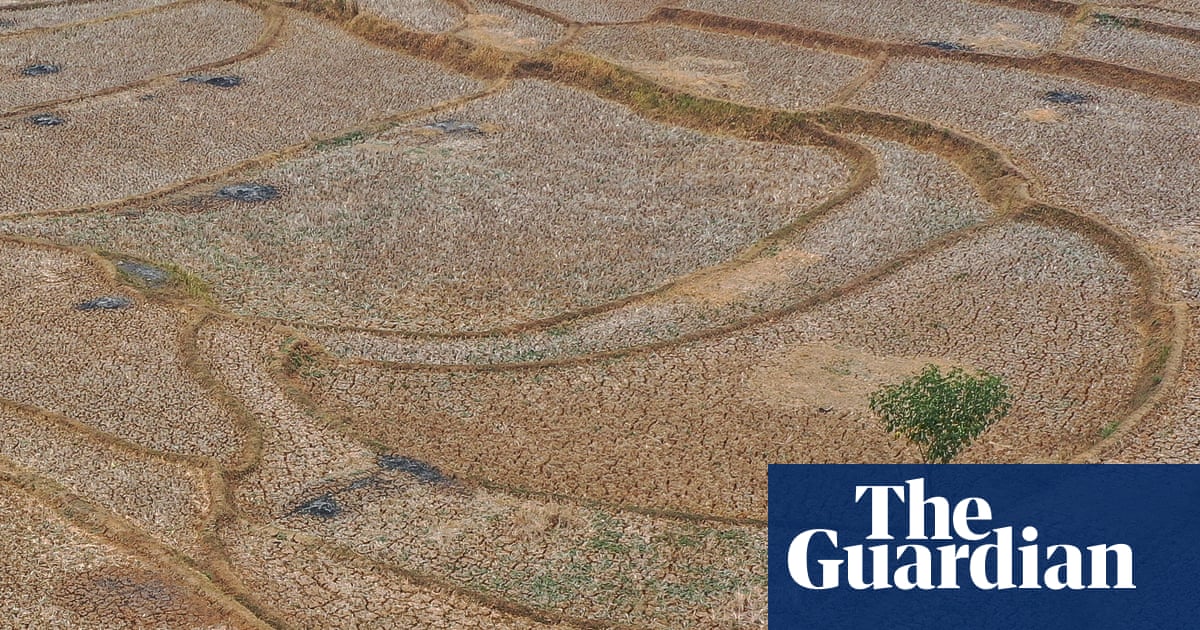
The heat surge will also exacerbate droughts, wildfires and flooding, threatening food security. The World Food Programme warned in August that El Niño‑related impacts could push about 50 million people into acute hunger and drive up food prices. A historic El Niño in 1877‑78 caused more than 50 million deaths through famine and drought, underscoring the potential scale of the current threat.
The findings will be submitted to a peer‑reviewed journal, but Greenstone said the urgency of the situation made it “irresponsible to sit on it”. The researchers urge governments and aid agencies to mobilise now, designing, deploying and evaluating tools that can protect lives as climate‑driven extremes become more frequent.