Fort Hood survivors describe mixed feelings over execution livestream plan
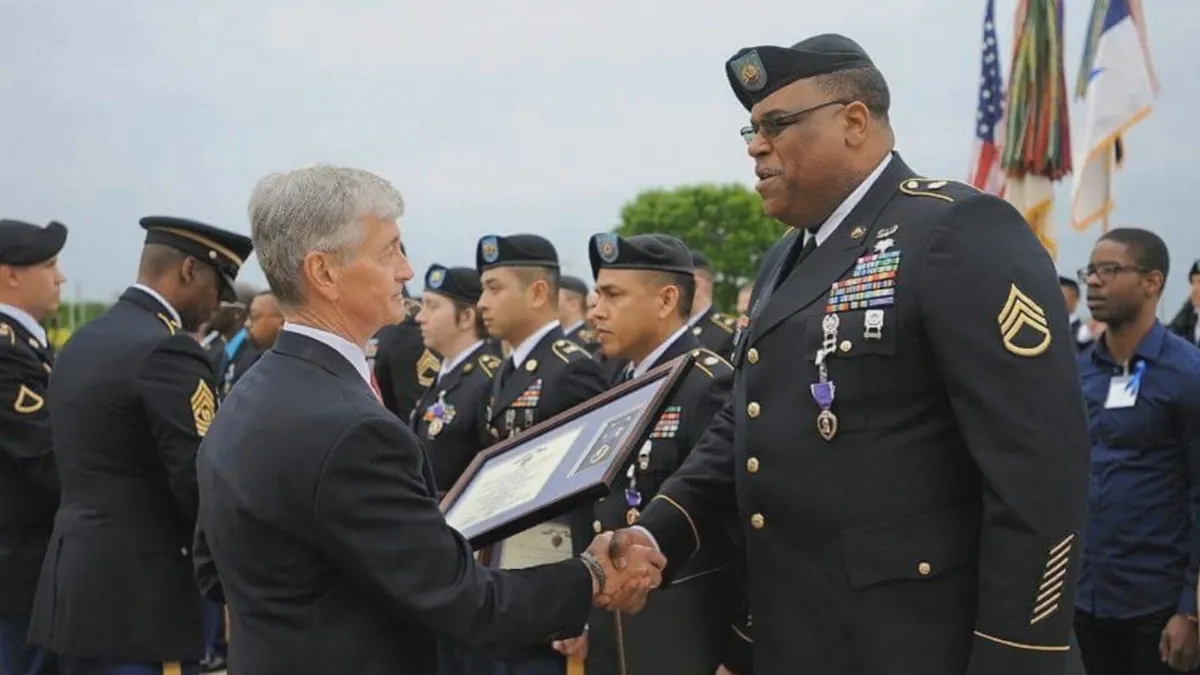
Two survivors of Nidal Hasan’s Fort Hood attack told ABC News about the complicated emotions prompted by plans to livestream his execution. Alonzo Lunsford supports carrying out the sentence but believes viewing should be restricted to survivors and victims’ families.
US Defense Secretary Pete Hegseth announced on October 8 that the execution would be open to the public and streamed online. Hasan, a former Army psychiatrist who killed 13 people and wounded 32 in November 2009, is scheduled to face a firing squad on December 3. ABC News reported that eight military personnel would carry out the sentence.
It would be the first US military execution since 1961 and the first military firing-squad execution since 1945. The broadcast remains disputed: Donald Trump approved carrying out the death sentence but told reporters on October 9 that he had not decided on public streaming, Reuters reported.
Lunsford joined the Army in 1990 and was a sergeant when the attack occurred. He was shot seven times, including in the head and stomach, and witnessed the deaths of colleagues he knew well. He retired in 2013.
He intends to attend the execution and meet Hasan’s gaze to demonstrate that the attacker did not defeat him. He welcomed presidential approval of the sentence as a potential step towards closure and supported the chosen execution method.
However, Lunsford worries that unrestricted streaming would turn the event into a spectacle. He would limit access to those harmed and bereaved families. He also believes a public broadcast conflicts with the United States’ moral responsibilities.
Lawmakers from both parties have criticised the plan. Republican Austin Scott, a House Armed Services Committee member, supported the death sentence but compared execution livestreams with jihadist practices. Adam Smith, the committee’s leading Democrat, said turning punishment into a spectacle undermines respect for the legal system.
ABC News’s other interviewee, Dayna Ferguson Roscoe, was a 21-year-old Army specialist during the attack. She was shot in the arm, shoulder and thigh. She said a congenital physical condition changed one bullet’s path and helped her survive.
Roscoe had not expected the broadcast announcement, although she linked it with the longstanding documentation of death and war. She had not reached a clear judgment on the decision and said her opinion would not change the condemned man’s fate.
She left the Army after her four-year enlistment and is still working out arrangements to attend. Reflecting on the attack, she emphasised her gratitude for being alive.