
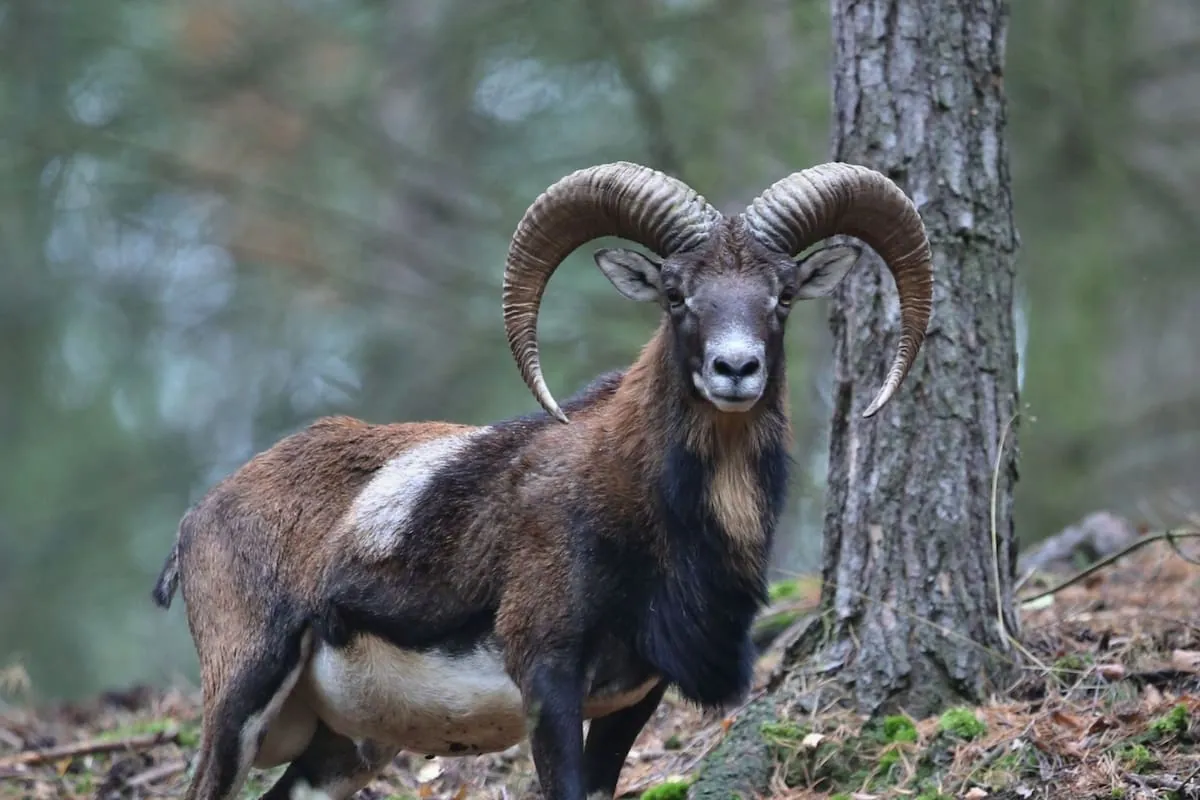
Mouflon introduced to Tenerife for hunting have spread through Teide National Park, putting pressure on native vegetation, including rare endemic plants.
La Nación reports that mouflon were brought to Tenerife around 1970 and that 11 animals were released in Teide National Park in 1971 for hunting. The population established itself in the highlands, where, according to the report, no natural predators can control its numbers.
Teide National Park is home to many endemic plants: some occur only in the Canary Islands, while others grow naturally only in Tenerife. One threatened species is the Teide violet. Spain’s Ministry for Ecological Transition also says human-introduced mouflon threaten the park’s vegetation and pose a risk to the plant.
The impact goes beyond grazing. Trampling by the animals can contribute to soil degradation and erosion, the report says. Mouflon are listed in Spain’s catalogue of invasive alien species, and authorities have introduced population-control measures to reduce pressure on the flora.
Mouflon are members of the bovid family. La Nación says males weigh between 50 and 55 kilograms and have large backward-curving horns; females are smaller and generally hornless.